
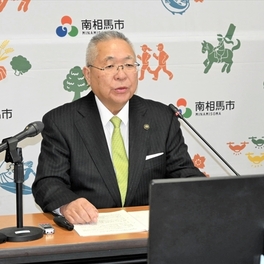
The news discusses a surging social issue in Japanese communities— an increase in casualties resulting from distant evacuations, which mirrors the chaos experienced 15 years ago. This trend is observed during a range of emergencies, including natural disasters and nuclear incidents, raising concerns about public safety and the effectiveness of disaster management strategies. The report delves into reasons behind the chaos, its impacts on society, and possible measures to alleviate the problem.
In Japan, disaster preparedness is considered a societal responsibility given the country's frequent experiences with earthquakes, typhoons, and other natural catastrophes. The discourse around distant evacuations, and subsequent deaths, reflects deeply ingrained values about collective responsibility, safety, and governance. It also indirectly comments on historical events such as the 2011 Fukushima nuclear disaster that shaped these values.
In contrast to the US or EU, Japan's high population density and geographical constraints heighten the stakes when it comes to disaster management. While the United States, for instance, has a decentralized system with emergency measures designed by individual states, Japan's approach is nationally coordinated, signifying a unified response approach.