
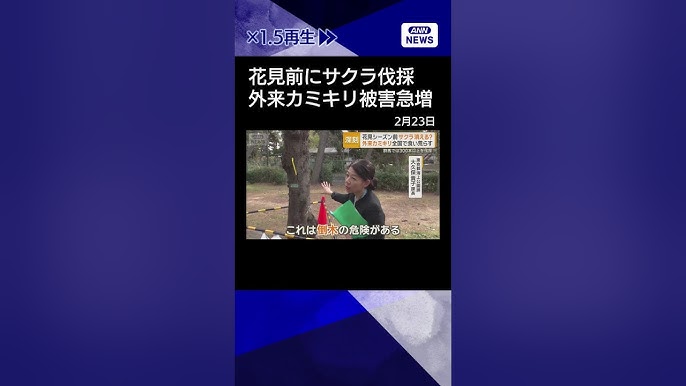
As Japan gears up for the beloved Hanami (cherry blossom viewing) season, many are asking, 'why are Sakura trees being pruned?' This act, carried out by local city administrations, aims to ensure safety and reduce potential risks the tall cherry blossom trees pose to pedestrians, buildings, and infrastructure. However, critics argue that this move puts the cherished period of Hanami at risk, as the centuries-old trees are part of Japan's unique cultural identity.
In Japan, the seasonal viewing of cherry blossoms, known as Hanami, holds significant cultural value. Hanami is typically a time for outdoor parties and picnics under the blossoming trees. The decision to prune Sakura trees has stirred controversy as many feel that it could negatively impact the beauty and charm of the Hanami season. Still, the safety concerns outdoor festivities present - particularly in densely populated areas - necessitate such measures.
In the US and EU, tree pruning is also carried out, predominantly for safety reasons or to control pests and diseases. However, culturally significant trees, like the cherry blossoms in Japan, could warrant stronger public outcry and even legislative protection.