
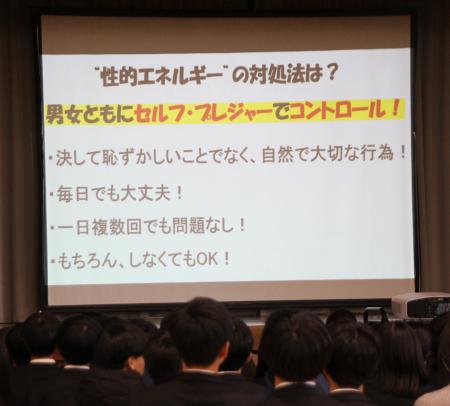
Japan is grappling with progressing comprehensive sexuality education in schools, despite facing challenges tied to cultural norms and societal views. The country’s education system has been criticized for its lack of in-depth sexual health and relationship teachings, leading to questions about where the responsibility should lie. The difficulty of obtaining parental consent, coupled with educational bureaucracy and the perceived need to preserve traditional values, has led to slow progress on this issue.
Within Japan, societal norms tend to view discussions of sex as taboo, which is reflected in the country's educational system. This affects both the breadth and depth of sex education. While Japanese law mandates that sex education be taught, the precision and comprehensiveness of the curriculum varies greatly across different regions and schools. Also, parental consent is often needed before teaching such subjects, and obtaining it can be difficult due to prevailing conservatism.
In contrast, countries in the US and EU have more explicit and comprehensive sex education frameworks. In many of these countries, sex education is a compulsory part of the curriculum, with specific guidelines on what should be taught, and parental consent is not always required. This reflects differing societal norms about the open discussion of sexuality and its importance to young people’s health and well-being.