
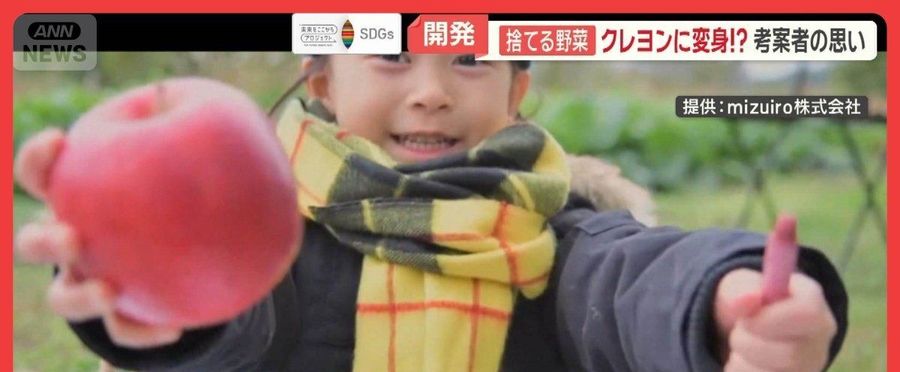
An inventive solution has emerged in Japan to transform non-standard vegetables into crayons. These vegetables, unfit for sale due to their appearance, once destined for disposal, have found a new lease on life. Through a unique process, they are converted into vibrant, sustainable crayons, telling a tale of inventiveness and eco-consciousness. The origin and development of these innovative vegetable crayons have caught the nation's interest, underlining Japan's commitment to sustainability and creativity.
In Japan, there has been increased focus on preventing food waste, especially amid growing environmental concerns. This invention reflects Japan's deep cultural respect for resources and the environment, as well as its ongoing endeavor for sustainability. Moreover, this also embodies the Japanese principle of "mottainai," which conveys a sense of regret concerning waste, further reinforcing its relevance and popularity among the Japanese population.
In comparison, initiatives to reduce food waste in the U.S. or EU include food recycling or composting programs, donation of unsold produce, and the promotion of "ugly" fruits and vegetables. This Japanese invention adds a new facet to these initiatives, merging environmental sustainability with art and introducing a creative method of reusing resources that might otherwise be wasted.