
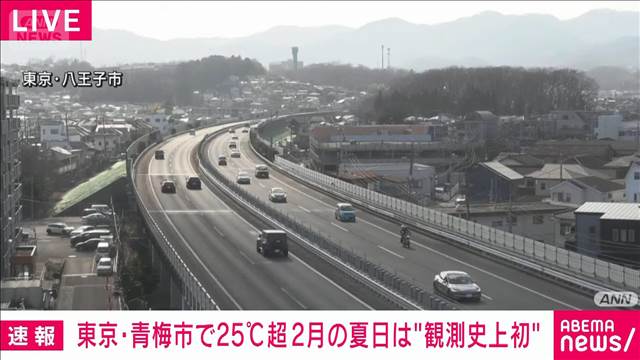
In an unusual climatic event, Tokyo's Ome District experienced summer-like temperatures in February, with highs surpassing 25°C (77°F). This rare meteorological phenomenon, commonly referred to as 'natsubi' (summer day) in Japan, is usually seen in spring or autumn, but rarely in winter. The elevated temperatures have sparked discussions about climate changes and their impacts on Japan.
In Japan, people are deeply connected with nature, so changes in weather patterns often garner widespread attention. The discussion in Japan includes concerns about the impacts of climate change, as well as anticipations about what effects these temperature shifts could have on agriculture, public health, and traditional events tied to the seasons.
In the US or EU, similar unusual weather phenomena also attract considerable interest and debate. These may center around the causes (such as global warming), the insurance implications of weather-related events, and the need for adaptive strategies in various sectors, like agriculture, urban planning, public health and more.