
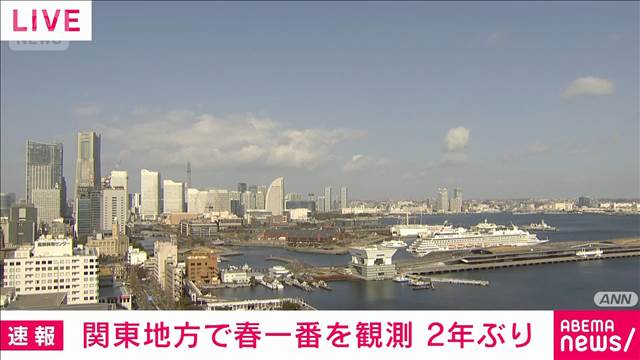
Japan's Kanto region experiences its first 'Haru Ichiban,' the initial strong southern wind of spring, after two years, marking the close of winter and the onset of spring. 'Haru Ichiban' typically occurs in late February to early March with warmer winds gusting from the south. This naturally occurring phenomenon is greeted with mixed feelings, heralding both the hope of a warmer season and the destructive potential of its force. Observation of ‘Haru Ichiban’ is symbolic for the Japanese people and the change of seasons.
In Japan, 'Haru Ichiban' is a cultural sign of season change marking the end of the cold winter and the start of spring. This is a much-awaited phenomenon that is often celebrated and welcomed. However, it's also linked to the destruction it could bring like uprooting trees and damaging properties. Hence, the Japanese government ensures the safety of its citizens by keeping them informed and providing necessary guidelines.
In the U.S. or EU, major weather phenomena such as the arrival of spring are also tracked and broadcasted. There might not be a direct equivalent to ‘Haru Ichiban’ as weather patterns differ, but meteorological events like the first major snowfall or severe heatwave similarly attract attention and precautionary advice.