
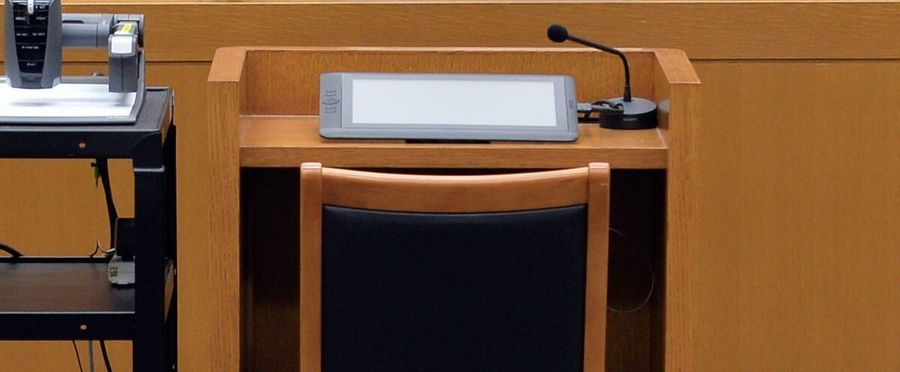
Lay judges in Japan are taking a firm stand in court cases by consistently excluding controversial or provocative evidence from proceedings. This practices reflects a transformative shift in Japan's judicial system, suggesting a dedication to more impartial deliberations. The exclusion of potentially prejudiced evidence is quickly becoming the norm and is expected to significantly impact future court rulings.
In Japan, the role of lay judges (who are similar to jurors in Western legal systems) has been a topic of debate ever since its implementation in 2009. The exclusion of provocative evidence by these judges is seen as a positive evolution in ensuring fair trials and represents a shift towards the personal rights of the accused. These developments indicate a growing maturity of the lay judge system, and society's acceptance of their role in the legal process, resulting in renewed public interest and discussions about judicial reforms.
This contrasts with the contentious debate in the U.S. and EU over what constitutes inadmissible evidence. While the U.S. and EU also aim to ensure fair trials, the ongoing debates often center around the balance between a defendant's right to a fair trial and the public's interest in justice being served. This development in Japan provides a unique perspective on how different cultures approach these challenges.