
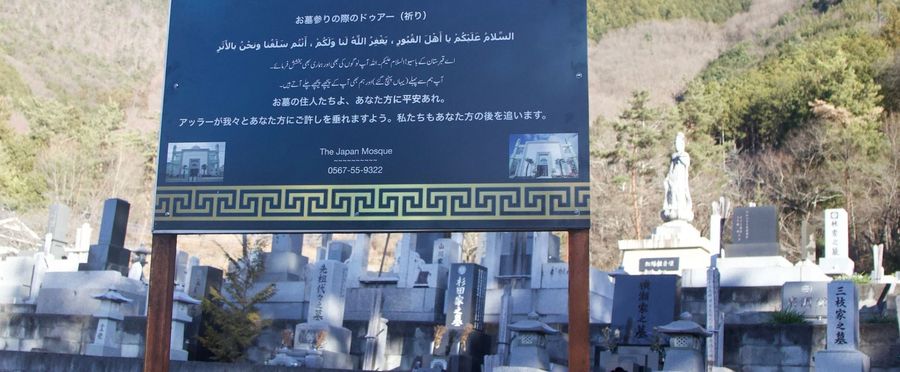
The proposed construction of a Muslim cemetery in Japan has hit a roadblock as public objections surge unexpectedly. Critics claim various reasons for resistance, with some voicing concerns about potential changes in community demographics, and others apprehensive about the convergence of different religious beliefs. The precise location of the cemetery and the timeline for its construction have not been disclosed. The authorities, who are perceived to have underestimated potential public unease, are under pressure to address this issue promptly and tactfully.
Japan has a history of cultural homogeneity and is only gradually opening up to diversity in terms of religion and ethnicity. This incident showcases the challenges faced by the country in terms of assimilation and accommodation of diverse religious practices. The controversy also speaks to the societal importance placed on maintaining traditional cultural beliefs and community dynamics.
In contrast, countries like the US and EU are generally more accommodating of diverse religious practices and burial grounds. The establishment of religious-specific cemeteries, such as Christian, Jewish, or Muslim, is common and is typically met less resistance. However, even in these regions, similar projects can sometimes face local opposition, often due to concerns about land use, rather than religious differences.