
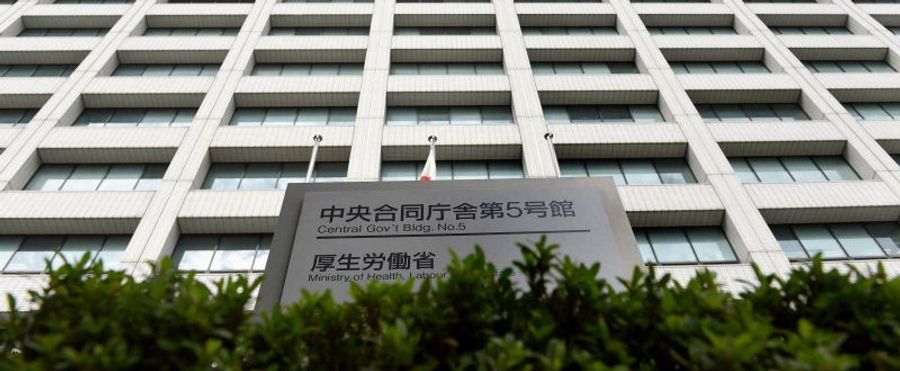
Japan appears set to offer the world's first official approval for two induced Pluripotent Stem (iPS) cell-derived products. Based on the signature technology of the Kyoto University, these ground-breaking products have the potential to revolutionize regenerative medicine, presenting new treatment options for various diseases. The process and timeline for final approval are yet to be announced.
Stem cell research, and specifically iPS cells, is a deeply significant field in Japan, boasting the 2012 Nobel laureate, Shinya Yamanaka. These advancements align with Japan's ongoing enthusiasm for technological and medical innovation, and are met with considerable public interest and widespread societal support. However, there are discussions concerning the ethical implications and the need for stringent regulation to prevent misuse.
Unlike Japan, where the government accelerates the approval of regenerative medicine products, the US and EU often have longer approval processes. These are due to stricter regulations to ensure safety and effectiveness. However, these regions also acknowledge the potential of iPS cells and invest heavily in further research.