
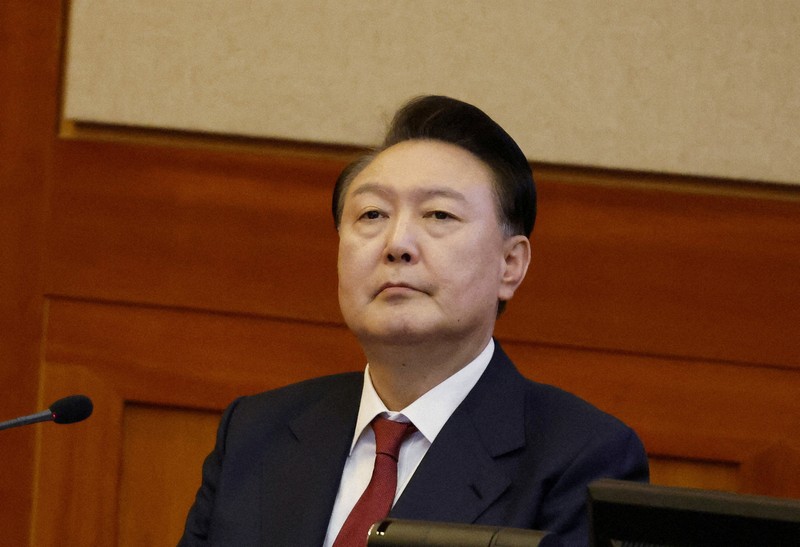
Yun, a former South Korean president, has been sentenced to life imprisonment, according to recent reports from Japan. The unexpected ruling marks one of the epochal events in South Korea’s political landscape, highlighting the robust mechanisms of the nation's justice system. The specifics of the charges remain uncertain; however, they typically relate to corruption and abuse of power in high-profile cases like this.
Given that Japan and South Korea are neighboring countries with a frequently intertwined political landscape, such news is closely monitored by the Japanese public. Japan's relatively clean image in combating political corruption makes this news particularly resonant among the citizens, stirring up discussions about political accountability and the effectiveness of public office abuse prevention mechanisms.
Like in the US or EU, corruption scandals involving high-ranking officials are treated very seriously in Japan. Legal processes in democratic systems take precedence, and sentences can be heavy, underlining that no one is above the law. However, it happens more rarely in Western democracies compared to countries in East Asia.