
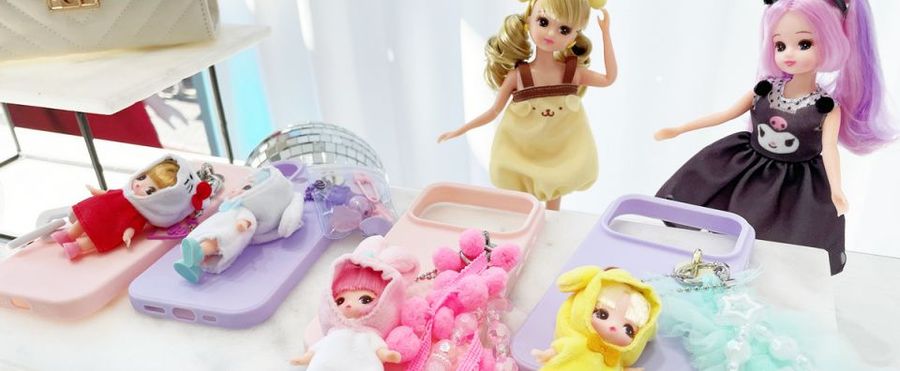
The recent release of the newest batch of 'Li'l Missy' dolls (known as 'Rika-chan dolls' in Japan) has taken the market by storm with a surprising sellout. The progressive doll series, popular for its uniquely Japanese attributes, announced its sale recently and was completely booked out within days. With the creators remaining tight-lipped about the sudden surge in demand, industry analysts speculate about the intricate factors driving this consumer frenzy.
The 'Rika-chan' doll is a cultural icon in Japan, comparable to 'Barbie' in the West. Culture experts suggest a new wave of nostalgic fondness towards traditional toys has hit Japanese society, made more significant by the intentional influence of Japanese culture and values in the dolls. The dolls are also considered a reflection of Japanese society's changing attitudes towards children's toys and gender roles.
The phenomenon can be compared to the periodic resurgence of popularity of toys from yesteryears in the US and EU, such as the comeback of Lego, Polly Pocket, and retro video games. However, an aspect of cultural nostalgia and preservation unique to Japan seems to have strongly influenced the explosive popularity of Rika-chan dolls.