
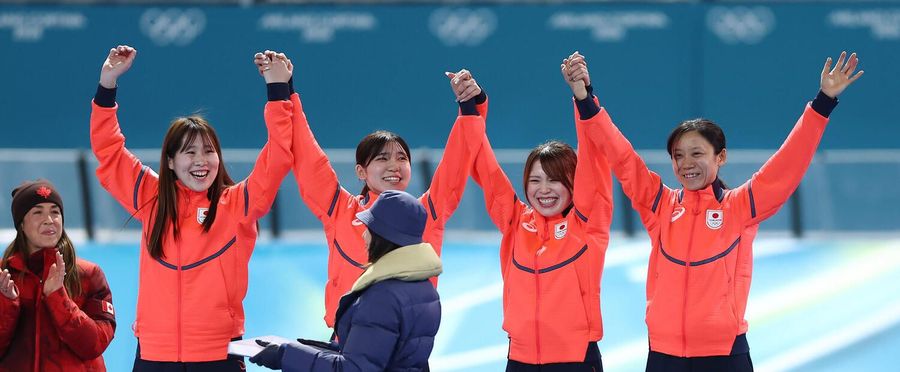
After her recent bronze medal finish, popular Japanese speed skater Miho Takagi has publicly reflected on her performance, attributing the result to her own shortcomings. While her acknowledgment of personal 'insufficiency' created waves, it reflects the spirit of self-improvement endemic in professional sports. Takagi's candor calls attention to the immense pressure athletes experience, even when accomplishing notable achievements like an Olympic medal.
In Japan, the spirit of continual self-improvement, even in success, garners much respect and admiration. Takagi’s humility and acceptance of her perceived shortcomings reflects this ideal, emphasizing personal growth over momentary triumph. Conversations around athlete mental health and pressure are increasingly common in Japan, and Takagi’s public reflection contributes to this dialogue.
In the US and EU, individual sports performance is often celebrated or criticized in a binary way: one is either a ‘winner’ or a ‘loser’. Yet there is rising awareness about the mental strain athletes face, echoed in recent talks about athlete mental health. Similar to Japan, honest self-appraisals from athletes in the US and EU often trigger conversations about the mental pressures and expectations involved in high-level sports.