
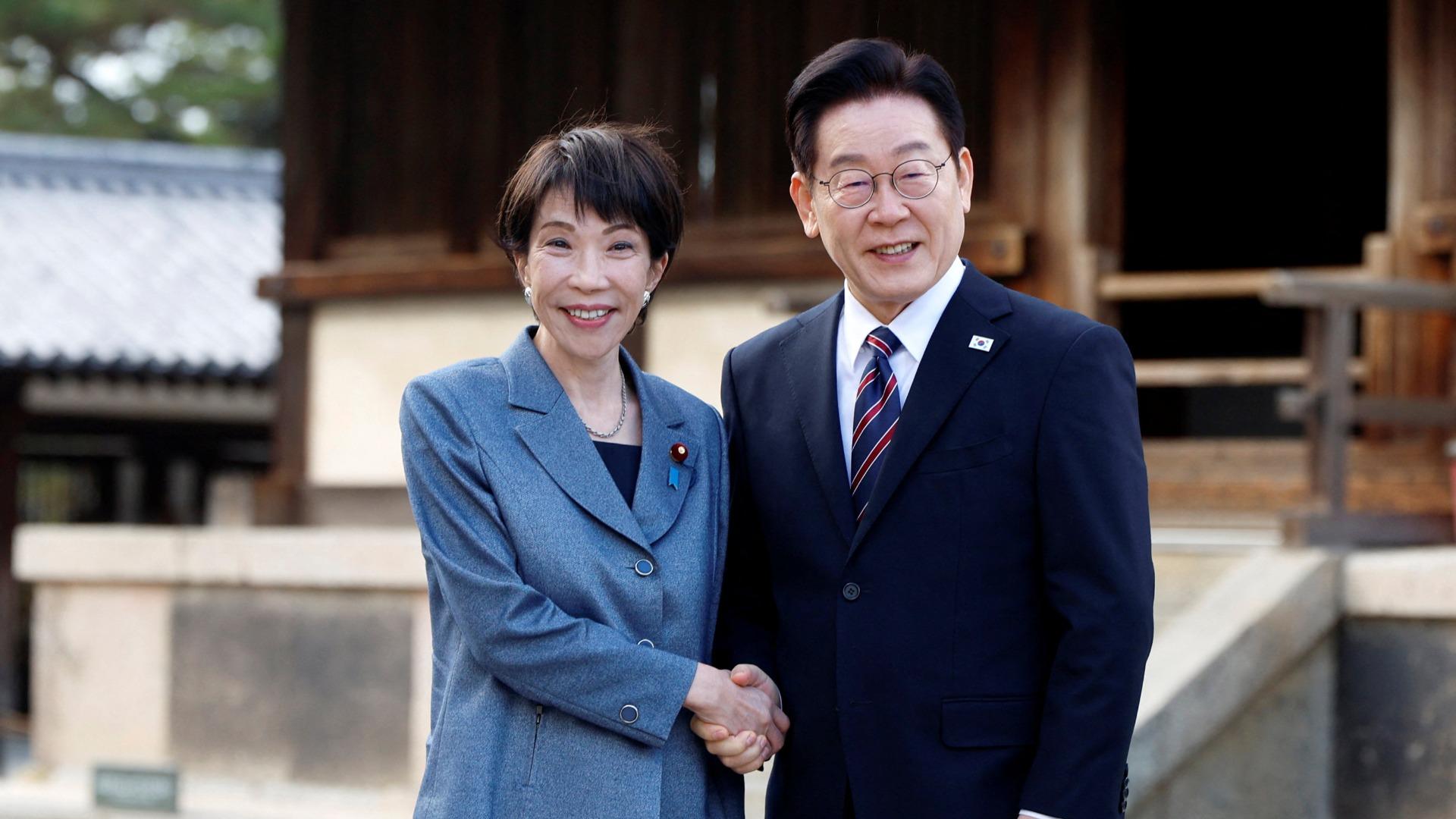
The article examines the enduring diplomacy of the current South Korean government and explores the factors contributing to its resilience. It highlights the complex international relations in the East Asia region, particularly focusing on the policy orientations of South Korea. It also scrutinizes the apparent strategic maneuvering of the South Korean government in maintaining stable diplomatic relations with its neighboring countries, including Japan.
Japan shares a complex history and relationship with South Korea, which invariably affects its perspective on South Korean politics. Issues such as war-time reparations and territorial disputes have historically affected relations between the two countries. However, there is also a considerable interest in maintaining diplomatic stability in the region, given both countries' intertwined economies and shared security concerns.
The handling of diplomatic issues in the United States or the European Union usually involves less historical baggage, with diplomacy often more strongly influenced by current geopolitical or economic factors. While historical disputes play a role, these societies often have a more forward-looking outlook, focusing on building alliances and partnerships that meet their current needs and future goals.