
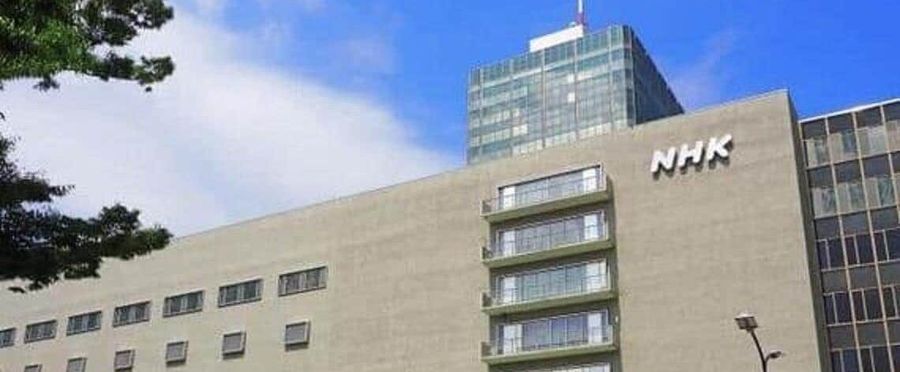
NHK, a widely recognized Japanese broadcasting corporation, has recently started retailing merchandise related to Sana, a popular fictional character. This move by NHK has sparked discussions about the corporation's neutrality. Critics argue that by selling merchandise, NHK may be showing preferential treatment towards certain characters or programs, potentially compromising their neutrality. While NHK has not issued an official statement on this matter, the popularity of these goods implies high consumer demand.
In Japan, broadcasting networks like NHK are held to strict standards of neutrality. Many view this as a social obligation, ensuring fair representation of views and interests. This issue has stirred debate among the public, with some believing that NHK selling merchandise could suggest bias towards certain programs or characters.
In the US or EU, most broadcasting corporations are privately funded and common practice involves selling merchandise related to their popular shows or characters. In contrast, NHK is partly publicly funded, which adds the expectation of neutrality. Although selling merchandise isn't inherently biased, it is uncommon for public broadcasters, raising questions about the propriety of this practice in Japan.