
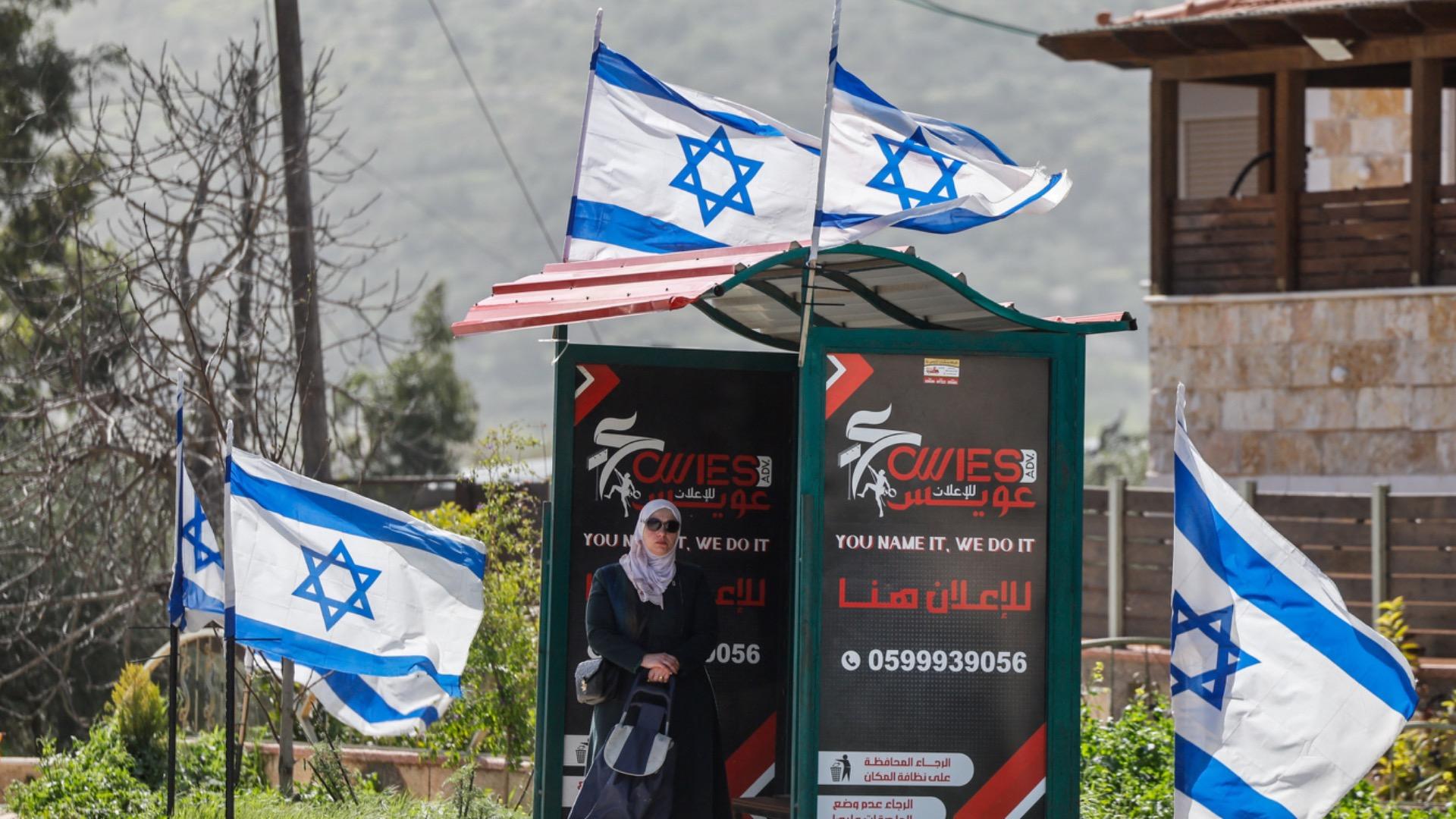
Japan closely watches as the ongoing political process aimed at the annexation of significant parts of Jordan's West Bank moves forward. The effect on geopolitical balances, potential human rights implications, and possible responses from international bodies are all aspects of concern. The article outlines Japan's diplomatic position in regard to this sensitive issue, as well as the potential impact on regional stability.
Japan strongly values international cooperation, peace, and stability, and has traditionally been involved in Middle East politics in a non-military role. The West Bank's annexation process is a concern for Japan due to its potential to destabilize regional peace. Japan's perspective on this issue is influenced by the principles of respect for international law and the importance of dialogue towards conflict resolution.
Compared to the US, which has expressed support for political changes in the West Bank, Japan's position is more similar to the EU, which maintains a focus on dialogue, human rights, and international law, opposing the annexation of territories through force or without mutual agreement.