
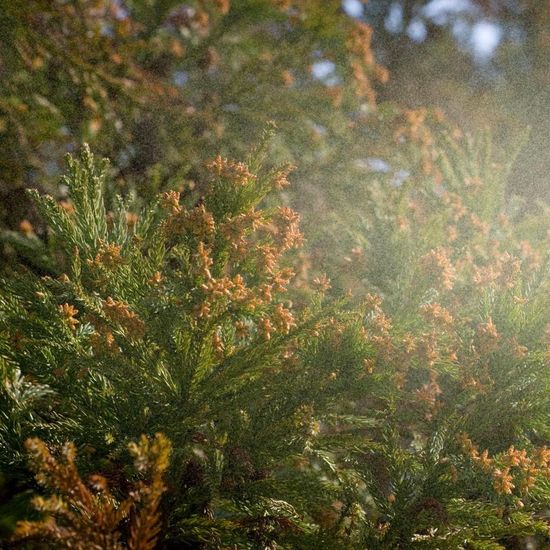
Recently, the metropolitan region of Tokyo has experienced a widespread dispersion of cedar pollen, creating a formidable allergy season. As these pollen grains fly across the city, residents are advised to take necessary precautions in their day-to-day life. The occurrence typically begins in early spring and poses a significant health challenge for many locals. Expert guidelines suggest keeping windows closed, regular cleaning, wearing glasses and masks, and timely medication as some of the ways to combat the effects.
Cedar pollen-related allergies, known as hay fever or 'kafunsho' in Japan, is a significant yearly health concern. A large number of Japanese people suffer from cedar allergies due to the vast replanting of cedar trees after World War II. The social impact of pollen season is noticeable, with masked faces becoming even more common and various preventative products flooding the markets.
Like in the U.S. or EU, pollen allergies are common in Japan. The scale and severity, however, are more elevated in Japan due to the massive number of cedar trees and the resulting pollen. In the U.S. or EU, similar guidance regarding precautions and health management during high pollen seasons are promoted.