
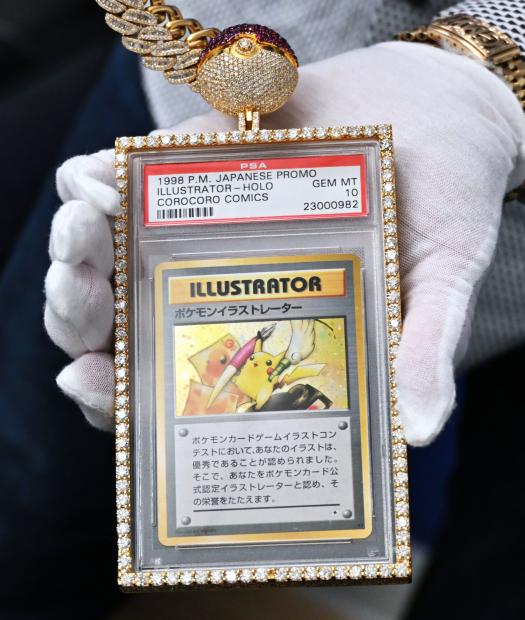
In a recent event, a set of Pokémon cards (known as "Pokeka" in Japan) was auctioned off for over 2.5 billion yen, which is over $23 million. The stunning bid caught the public's attention, sparking conversations about the value of collectibles and the role they play in investment strategies. Industry experts, economists, and enthusiasts explore the factors contributing to this astronomical figure and the implications for future auctions.
In Japan, collectible trading cards, especially Pokémon, known locally as Pokeka, have had a strong foothold in pop culture and, in recent years, more and more seen as valuable assets. The escalating auction prices reflect not only the popularity of the hobby but is also indicative of a particular investment trend pervading the Japanese financial sector. This incredibly high-valued auction has stirred discussions over the intersection of pop culture, nostalgia, and economics.
Similarly, in the United States and the European Union, the market for collectibles – ranging from trading cards to vintage comic books and art pieces – has seen remarkable growth. Just as 'Pokeka' amasses massive bids in Japan, in the US, rare sports cards and historical memorabilia frequently secure high auction prices, with investors viewing these collectibles as alternative, tangible assets.