
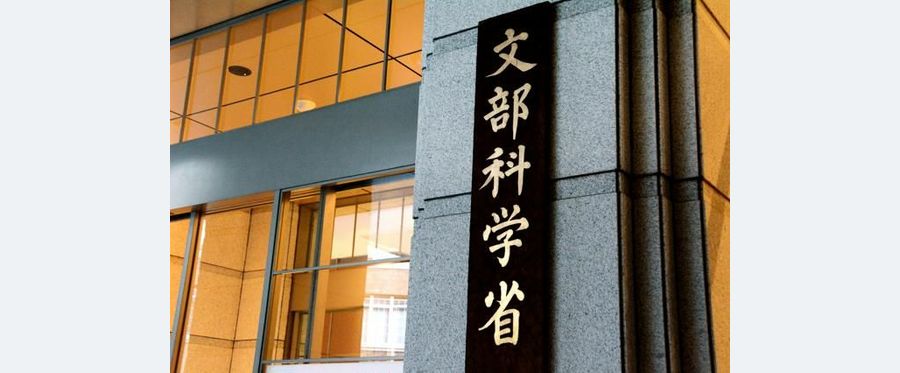
The Japanese government has announced an expansion of the high school tuition subsidization program, making high school education free for an additional 800,000 students across the country. This action is expected to significantly reduce financial barriers to education, enabling more students to pursue further learning opportunities. Detailed calculations for this massive investment are underway, signaling a significant leap forward in the Japanese education sector.
In Japan, education is highly valued, and facilitating easy access to it is a major government priority. However, high tuition fees have been a longstanding barrier, particularly for families with low income or multiple children. Any expansion of tuition subsidization is welcomed as it signifies the nation's commitment to making high-quality education accessible to all, irrespective of socio-economic status.
In the U.S. and the European Union, similarly, government subsidies are in place for public education until high school, signaling the universal importance placed on educational access. However, the extent and reach of these policies vary widely between countries and states. Japan's announcement signals a significant push toward wider access in comparison to several U.S. and EU contexts.