
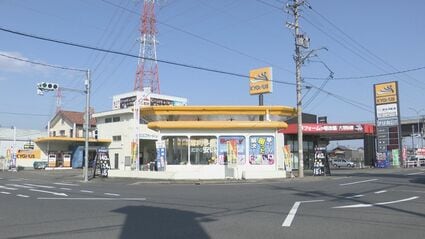
A potentially dangerous situation arose in Gifu, Japan, when kerosene contaminated with gasoline led to a risk of fire. The incident occurred after locals purchased the contaminated fuel, unknowingly putting households at risk. No injuries were reported, but the event has sparked public concern about fuel safety standards and consumer protection.
In Japan, especially during the colder months, kerosene is commonly used for heating purposes. It's largely considered a safe fuel source, which makes this contamination incident unusual and alarming. Heightened interest in this case underscores the Japanese public's strong emphasis on consumer protection, safety, and product quality assurance.
In the US or EU, similar incidents would be treated with serious concern, often resulting in thorough investigations and potentially strict penalties for responsible parties. This could also trigger legislative pushes to tighten regulations around fuel production, distribution and quality control. Recalls and corrective actions are typically issued urgently to protect consumer safety.