
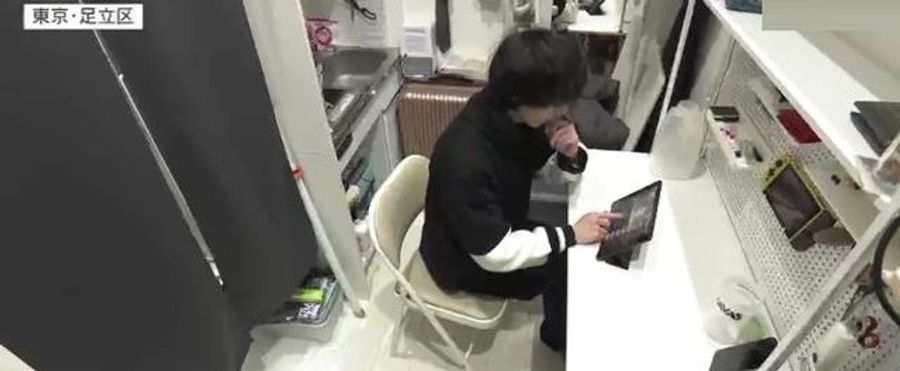
The recent trend towards more compact living environments has hit Japan, with the popularity of three-tatami mat-sized one-room apartments skyrocketing. These micro apartments, traditionally associated with student housing or temporary accommodation, are now evolving into a preference for those seeking a minimalist, urban lifestyle. Whether this trend, reflecting the influence of economy and spatial restrictions of Japanese cities, will continue in the post-pandemic future is yet to be seen.
At a time where the need for space and wellbeing is a growing trend globally, the contrary is happening within Japan. In Japan, a society characterized by space-efficiency and minimalist aesthetics, one-room apartments are deemed economical and practical. This also resonates with the rise in single-person households and individuals' desire to live in urban areas.
Such a trend is distinct from societal norms in the US and EU, where the dream typically involves spacious homes with multiple rooms. However, the COVID-19 pandemic has sparked an increased interest in downsizing and minimalist living in these areas as well, although to a lesser degree compared to Japan.