
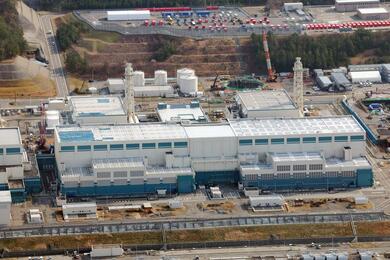
After a prolonged closure since the Fukushima disaster in 2007, the Kashiwazaki-Kariwa Nuclear Power Plant is back in operation supplying power. The plant, located in Niigata Prefecture, is deemed the world's largest power station in terms of potential electricity generation. It is a crucial step for Japan towards boosting its domestic energy production, and aligns with the nation's policy drive to reduce reliance on fossil fuels.
Nuclear power remains a divisive issue in Japan since the Fukushima nuclear disaster. Safety is a major concern for many Japanese citizens. However, with the nation's limited energy resources and commitments to reduce carbon emissions, the government deems nuclear power necessary. The resumption of the Kashiwazaki-Kariwa plant's operation has likely sparked a renewed wave of debate about the role of nuclear power in Japan's energy mix.
The issue of nuclear energy is also contentious in the US and EU, with many countries favoring the transition towards renewable energy sources like solar and wind. However, nuclear energy is still considered a part of the solution to reach carbon neutrality in some countries. Safety standards and public acceptance are critical factors in both regions' nuclear policies.