
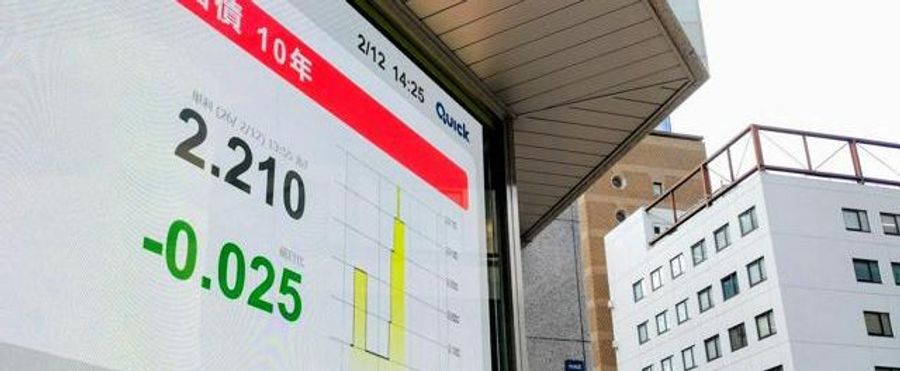
Japan is grappling with a surprising increase in student loan interest rates. Recently, these rates shot up towards their upper limits, causing concerns among students and parents all over the nation. This unexpected surge will potentially make higher education even less affordable for many families, instigating a serious nation-wide discussion on financial aid and student loans policies.
In Japan, where education is highly valued, such financial developments can cause significant societal distress. Apart from causing financial strain for families and students, the increase in loan interest rates also raises concerns about inclusiveness and equal opportunity in the educational sector. Furthermore, it stokes fear of a talent drain as numerous students may opt for cheaper, overseas educational alternatives.
This issue mirrors similar challenges faced by countries like the US and EU member states. High student loan debts and rising interest rates have been controversial topics, prompting widespread calls for reforms. However, cultural differences such as Japan's stronger emphasis on educational attainment, notional 'shame' in defaulting loans, and steeper resistance to change in policy make the Japanese situation distinct.