
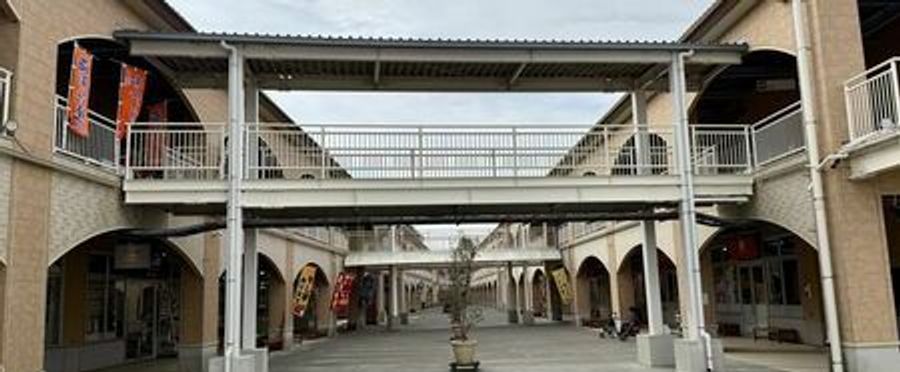
An earthquake triggered unexpected activity in an abandoned mall in Ibaraki prefecture, Japan. Once a bustling commercial place, the mall now stands deserted due to economic changes. The building, however, recently attracted attention when the seismic event set off alarms and uninterruptedly scattered debris, sparking renewed discussions about the future of such structures in the country.
In Japan, the efficient use of land and resources is a value deeply embedded in society, mainly because of the country’s limited geographical extent in comparison to its population size. The issue of abandoned buildings, largely relegated due to Japan's ageing demographic and shifting socio-economic trends, is of general concern. Meanwhile, the frequent seismic activity adds another layer of complexity to the management of these structures.
Similar issues in the U.S. or EU might spark debates about urban decay, gentrification, and revitalisation efforts. In parts of Europe particularly, abandoned structures may be repurposed as art venues or community spaces. In the US, discussions around derelict commercial spaces often focus on economic revitalisation or repurposing for affordable housing.