
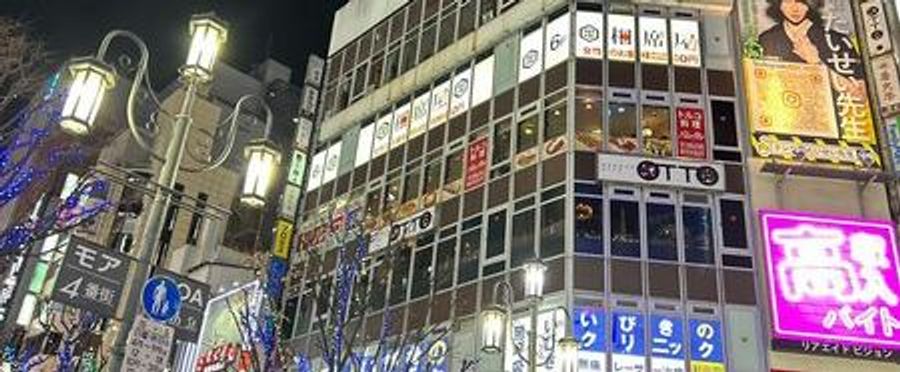
A recent trend that saw a rise in popularity of "Aisekiya", or group-seating restaurants in Japan, seems to be on the decline. These eating establishments, wherein strangers are seated together to encourage free interaction, appear to be losing favor with the local customers. The article delves into this trend - why it rose, why it's dwindling, the impact on nightlife and social dynamics, as well as on the business landscape in Japan.
In Japan, group-seating restaurants were viewed as an innovative way to foster social interaction, fight loneliness, and offer an unusual dining experience. These venues allowed people to meet and interact in a casual dining environment, and were particularly popular among younger generations for networking or dating opportunities. Its decline therefore indicates a shift in social preferences and consumption habits, which could reflect broader societal changes.
The concept of communal dining or group seating is rather alien in Western cultures like in the US or EU where personal space is highly valued. While communal tables are present in some casual dining places, the specific concept of seating strangers together, like in the "Aisekiya" model, does not exist which may indicate cultural differences in socialization and dining preferences.