
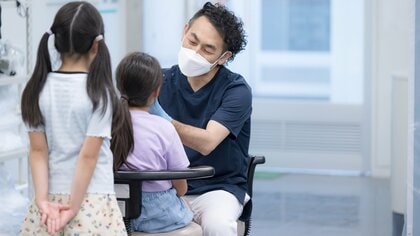
Recent studies show a remarkable decrease in tooth decay among Japanese children, reaching an all-time low. The survey results reflect the combined efforts of parents, schools, and health organizations, promoting healthy dental practices from a young age throughout Japan. Even though the reasons behind the reduction are multifaceted, the emphasis on early dental care and routine check-ups are undeniably contributing factors. The reports highlight the success of Japan’s nationwide efforts towards the dental health of its young population, which is a testament to the efficacy of its preventive health measures.
In Japan, dental health is widely prioritized, with a focus on prevention and regular check-ups from an early age. Parents, schools, and community health centers play fundamental roles in this effort. The recent decrease in decay aligns with broader shifts in healthcare attitudes, emphasizing proactive measures and early intervention methods.
In contrast with countries like the USA and EU, where dental check-ups are generally led by individual initiative, Japan employs a more community-oriented approach. Japanese health insurance typically covers check-ups and preventive procedures, whereas in the US, dental care often falls outside of basic insurance and EU coverage varies by country. This difference in healthcare structure could be a factor in Japan's success at reducing child cavity rates.