
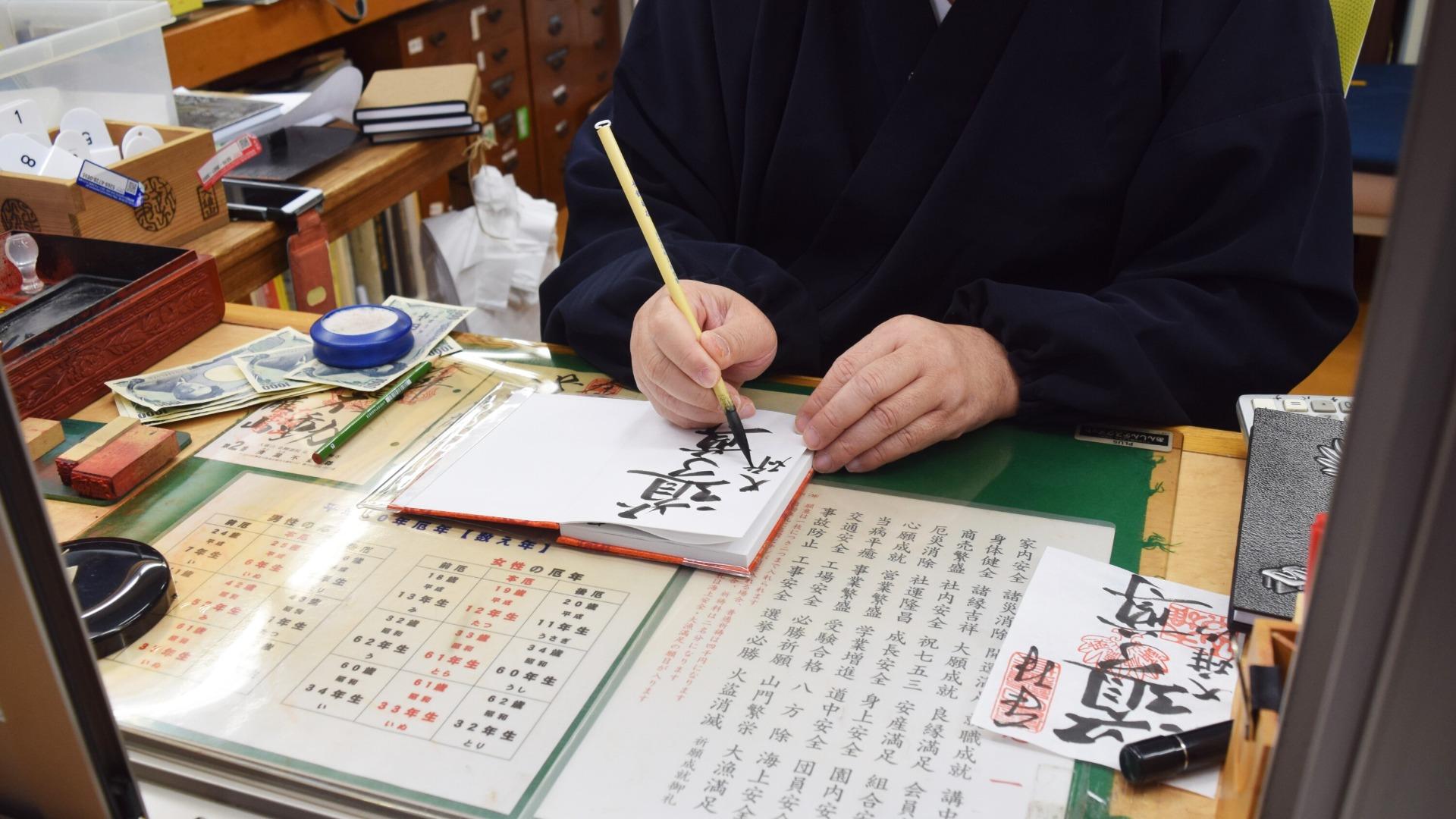
Many Japanese people are voicing strong criticism regarding the exorbitant resale of "Goshuin," sacred stamps traditionally collected from temples and shrines. The practice rose in popularity as a form of cultural tourism but has sparked controversy due to high resale prices on online marketplaces. Despite public backlash, legal recourse is currently ambiguous, raising further questions about protection for cultural commodities.
Goshuin" is deeply integrated into Japanese culture, collected as keepsakes from temple or shrine visits. They hold significant meaning, symbolizing a spiritual journey. The emerging trend of buying and reselling Goshuin for profit is seen as disrespectful and has caused outcry amongst the public, especially those who view them as sacred items, not economic commodities.
This situation can be compared to the sale of Native American cultural artifacts in the US, of which laws dictate these items can only be sold by the tribe or individuals who created them. Both scenarios highlight cultural heritage exploitation and underline the need for comprehensive regulations protecting cultural items from commercial abuse.