
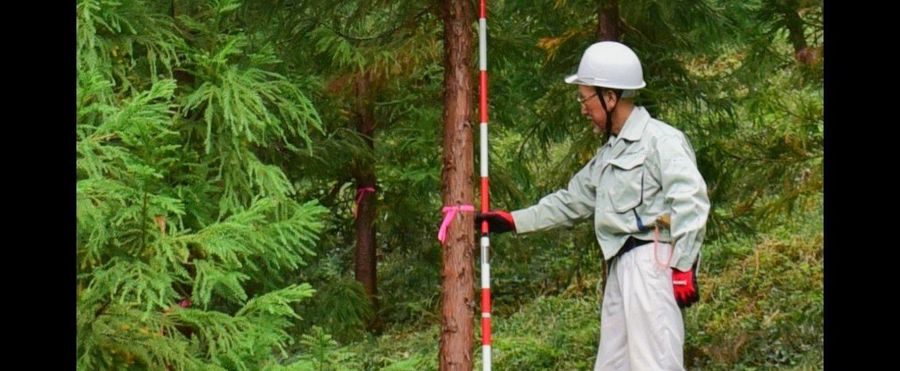
Tokyo has become home to not one, but seven cedar trees that produce no pollen, in a major step towards combating the city's annual deluge of sneezing and runny noses caused by hay fever. These remarkable trees were recently found around the capital and are believed to be a potential solution to Japan's persistent pollen problem. Scientists are now racing to unlock the mysteries of these pollen-free trees and if successful, their replicated cultivation could provide significant relief for countless hay fever sufferers in the future.
Hay fever is a significant health issue in Japan, largely due to the cedar pollen. These allergy-inducing particles affect approximately one in four people between February and April every year. The discovery of the pollen-free cedar trees is significant as it suggests a natural, environmental solution that can dramatically improve the quality of life for a large swath of Japanese citizens.
In the US or the EU, hay fever is also a common allergy and efforts to reduce pollen mostly revolve around medical solutions such as antihistamines or vaccine therapy. However, the Japanese solution of incorporating pollen-free trees is unique, more targeted at the root cause, and could inspire similar approaches in other parts of the world.