
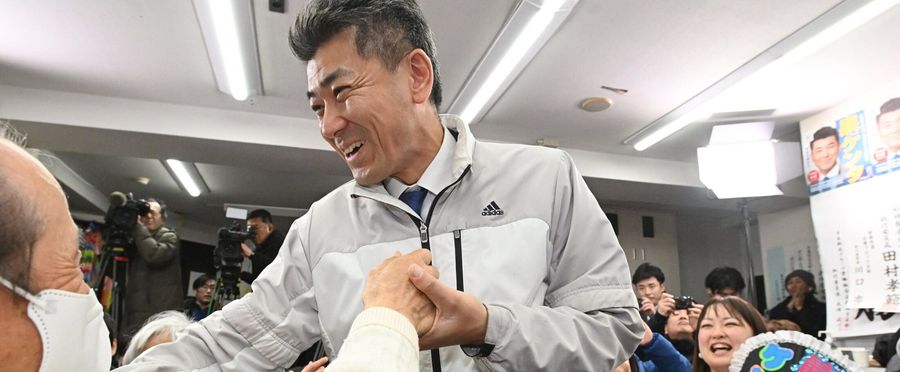
In recent political news, Izumi Kenta, a prominent figure in Japan's centrist party, has decided not to run in the upcoming party leadership election. This unexpected decision has sparked discussions among political analysts and party members who speculate about the possible reasons and ramifications of this move. The party is expected to hold the leadership election soon to determine its new leader who would shape its future political strategies.
Leadership elections within political parties in Japan are viewed as significant events, as they often herald potential policy shifts and reflect the party's future direction. Izumi Kenta's decision to not stand for election would therefore be a topic of great interest for both party members and the general public. The sentiments towards such decisions would generally depend on the popularity of the politician and the implications of their non-candidacy on policy continuity.
In the US or EU, leadership elections within political parties are similarly crucial, with potential candidates often planning their campaigns months or even years in advance. A decision to not run like Izumi Kenta's would likely lead to extensive media coverage, introspection within the party, and debates on the party's future political direction.