
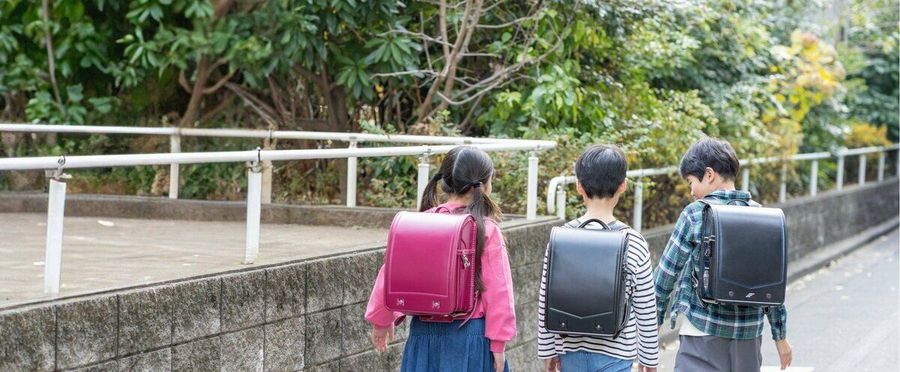
The Japanese concept of 'The Fourth Grade Wall' is causing a lot of concern among parents. It refers to the significant jump in academic difficulty faced by fourth graders in Japan, leading to stress, increased study hours, and sometimes academic regression. This has sparked an ongoing debate about the need for education system reform, and whether current practices overly burden children at too young an age.
In Japan, education is highly valued, with a particular emphasis placed on diligence and perseverance. The 'Fourth Grade Wall' concept is deeply entrenched and affects almost all households with children in this age bracket. The stress associated with facing this 'wall' has been linked to the high student stress and suicide rates, making it a pressing social issue.
In the US or EU, a comparable issue would be the transition from elementary to secondary school, which includes a significant increase in workload and expectations. However, these systems typically have more support services in place to help students and parents manage the transition, such as school counselors and tutoring services.