
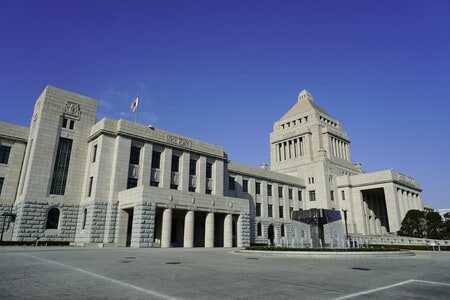
The Japanese Liberal Democratic Party (自民党) recently secured a supermajority in parliament, with triumph in 316 seats out of a total of 465. The victory consolidates their dominant position in the government, potentially enabling them to make significant changes to the country's constitution. This significant political event has likely come in response to the general public's approval of their policy positions and governance style.
In Japan, a political party needs two-thirds of parliament seats to hold a supermajority. Achieving this allows the party to push through major legislative changes, such as amending the constitution. This victory implies that the Liberal Democratic Party has strong public support to potentially mobilize such policies.
In the US or EU, the concept of a supermajority exists in different legislative bodies with varying thresholds required. Likewise, the achievement of such a majority allows for more streamlined lawmaking, with less opposition to majority party policy. It reflects a strong public mandate, but may also incite concerns about lack of political balance.