
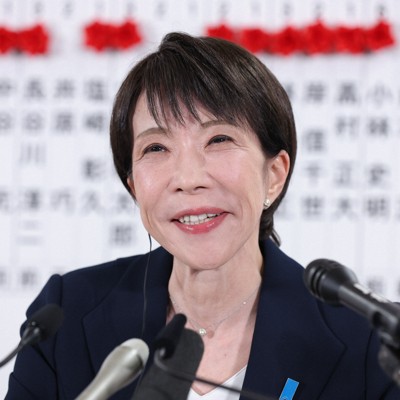
Due to an insufficient number of proportional representation candidates, the Liberal Democratic Party (LDP) in Japan has yielded 13 seats to other political factions. The shift was reported recently, although specific details of the event were not disclosed. The transfer of seats could potentially impact the party dynamics within the Japanese government and bring about changes in the political landscape.
In Japan, the political landscape is largely influenced by the party that holds the majority of the seats in the government. The public pays close attention to the number of seats a party obtains, as it reflects the party's overall strength and influence. Transference of seats from a dominant party to other parties can trigger shifts in the balance of power, potentially altering policy direction and decision making.
Trade-off of electoral seats is also a common occurrence in other democratic countries. For instance, in the U.S, power shifts frequently occur based on the number of seats each party holds in the Senate and the House of Representatives following mid-term elections. Similarly, in the EU parliamentary elections, distribution of seats among different parties can swing based on the proportional representation of votes.