
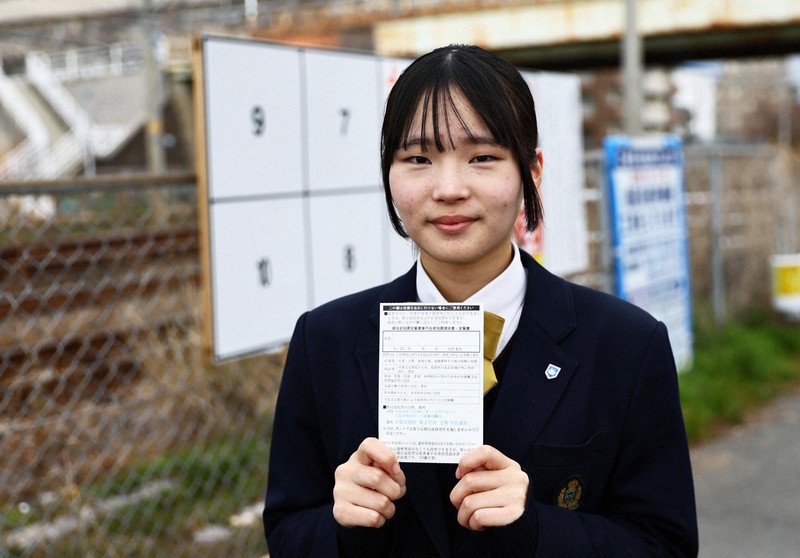
Japanese youths are taking part in elections with newfound enthusiasm and importance, following a decision to allow 18-year-olds voting rights. As per the new law passed, 18-year-olds are provided with the right to vote and they are expressing their opinions and emotions through their ballot. This new development, encouraging a younger demographic in political participation, is stirring a shift in the political landscape as these youngsters bring fresh insights and perspectives to existing public policy issues.
In Japan, the voting age was lowered from 20 to 18 in 2016, adding approximately 2.4 million new voters to the electorate. This has sparked debates on the political maturity of these young voters, their ability to make informed decisions, and the educational framework that preps them. The move is also seen as a bid to address the demographic challenge of an aging population and infuse young blood into the political process
In the United States and the European Union, the voting age is generally 18. This includes both national and local elections, marking a uniformity in age across the spectrum. The lowering of the voting age in Japan to match international standards is a significant signal of progression in the nation's democratic processes.