
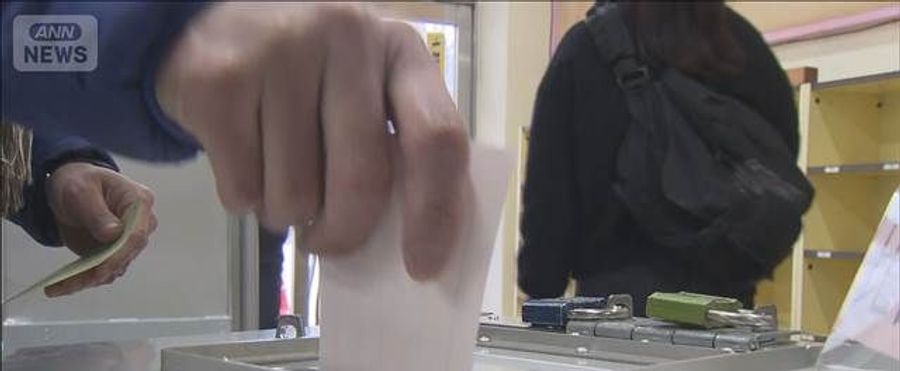
As per the reports, the voter turnout in Japan by 11 A.M. translated to a mere 7.17%, showing a decline from previous years. It has sparked concerns about the health of democratic processes in the nation. The lower voter turnout might have lasting implications on the political scenario, but the cause of the reduced voter participation remains unclear.
In Japan, the public takes voting seriously as an integral facet of their democratic duty. The low voter turnout could indicate a growing dissatisfaction or disillusionment with the political process or its players. A significant part of Japanese society values the idea of consensus and collective decision-making, making the voting process a highly respected public affair.
This issue of voter turnout is not unique to Japan; many developed democracies, including the US and EU member states, grapple with this concern. For instance, the US struggles with delivering accessible and inclusive voting, leading to varying turnout rates. In the EU, turnout varies greatly among member nations, but extensive efforts are made to encourage active citizen participation.