
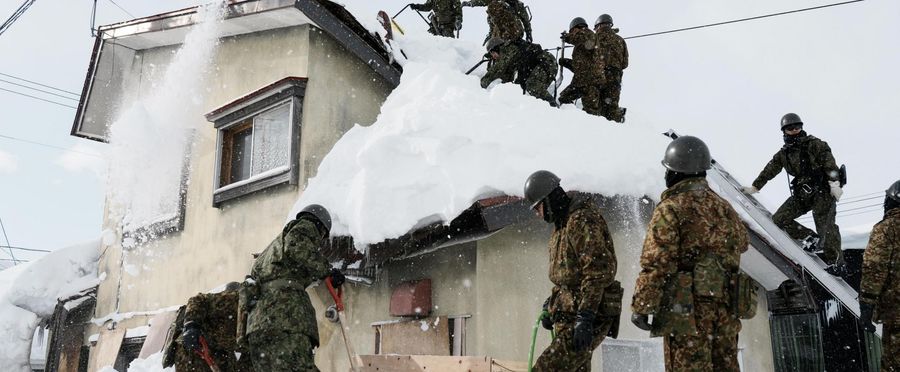
Heavy snowfall in Japan might play a deciding role in the contentious regions' election results. The adverse weather conditions could affect voter turnout due to transportation difficulties, particularly in the rural, snow-hit areas. This development adds an unexpected layer of intrigue to an already tense political climate, as both political factions try to predict and respond to this climate-based twist in the narrative.
In Japan, large-scale elections often coincide with the cold season, hence adverse weather conditions such as heavy snowfall are factors that political strategists consider. Weather conditions can particularly impact rural areas with challenging terrains and older demographics, where mobility is often a concern. This ties to broader issues such as civic duty, democratic participation, and access to polling places in Japan.
In comparison, while the US and EU also experience weather-derived challenges during elections, they have far more established systems in place to counteract these problems, such as mail-in voting and extensive voter transportation schemes. However, there are still discussions around weather's effect on voter turnout and the need for more accessible voting procedures globally.