
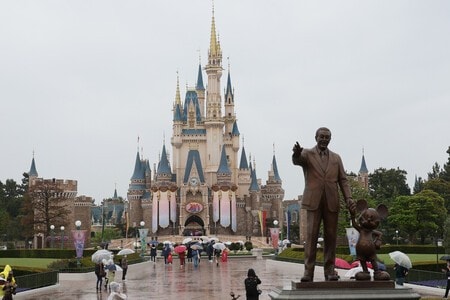
Japanese theme parks are increasingly adopting dynamic pricing models for their tickets, transforming the way visitors plan their amusement park adventures. This new model adjusts ticket prices based on factors such as crowd predictions, weekdays or weekends, and weather conditions, aiming to optimize visitor distribution and park revenue. Implementations have been underway over the past few months across various parks in Japan, signaling a major shift in the industry's pricing strategy.
The Japanese are fond of theme parks, which are increasingly seen as prime destinations for domestic tourism, particularly post-pandemic. The introduction of dynamic pricing is done in pursuit of efficient and comfortable experiences for visitors and financially sustainable operations for the parks. This transition is being closely watched, and public reactions may vary from appreciating a potentially lower-cost visit on a less crowded day, to feeling frustrated about unpredictable and perhaps higher costs during peak times.
Dynamic pricing is not a new concept in the entertainment industry; it has been used globally by institutions from airlines to Broadway theaters. In the US and EU, dynamic or surge pricing also takes place in ride-sharing apps like Uber and Lyft or hotel booking platforms. How the technique performs in Japanese theme parks can give insights into its broader applicability in leisure settings.