
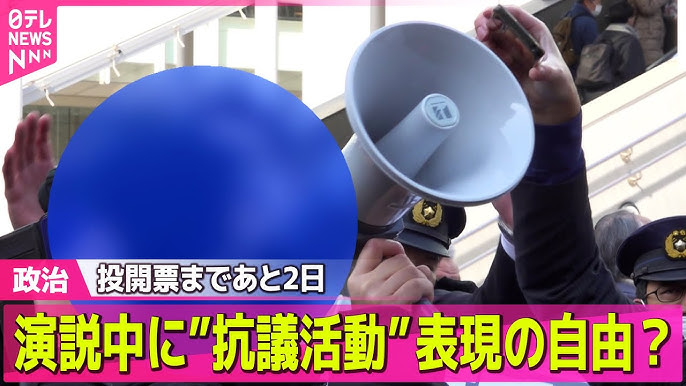
The recent waves of public protests breaking out during electoral campaigns in Japan pose a contentious question: Are they a part of democratic expression or nothing more than disruption? Reports indicate a surge in public opposition forums disrupting political rallies, creating arguments around the principles of free speech versus public order. The issue remains at the heart of debates, with some people defending the protesters’ right to express dissatisfaction, while others condemn such actions as a direct obstruction of political processes.
Democracy is highly valued in Japan, and freedom of speech and expression is constitutionally protected. However, harmony and public order are also significant principles in Japanese society. The surge in protests during electoral campaigns has become a topic of debate, and it delineates the balance between individual rights and societal expectations. Some Japanese citizens are concerned that these protests may disrupt the peaceful execution of political events.
In comparison to the US and EU, where protests and public expression during electoral campaigns are seen to be a crucial part of democracy, Japan's emphasis on public order and decorum makes the situation inherently different. The conflict between the basic democratic rights and the respect for harmony and order reflects an ongoing debate.