
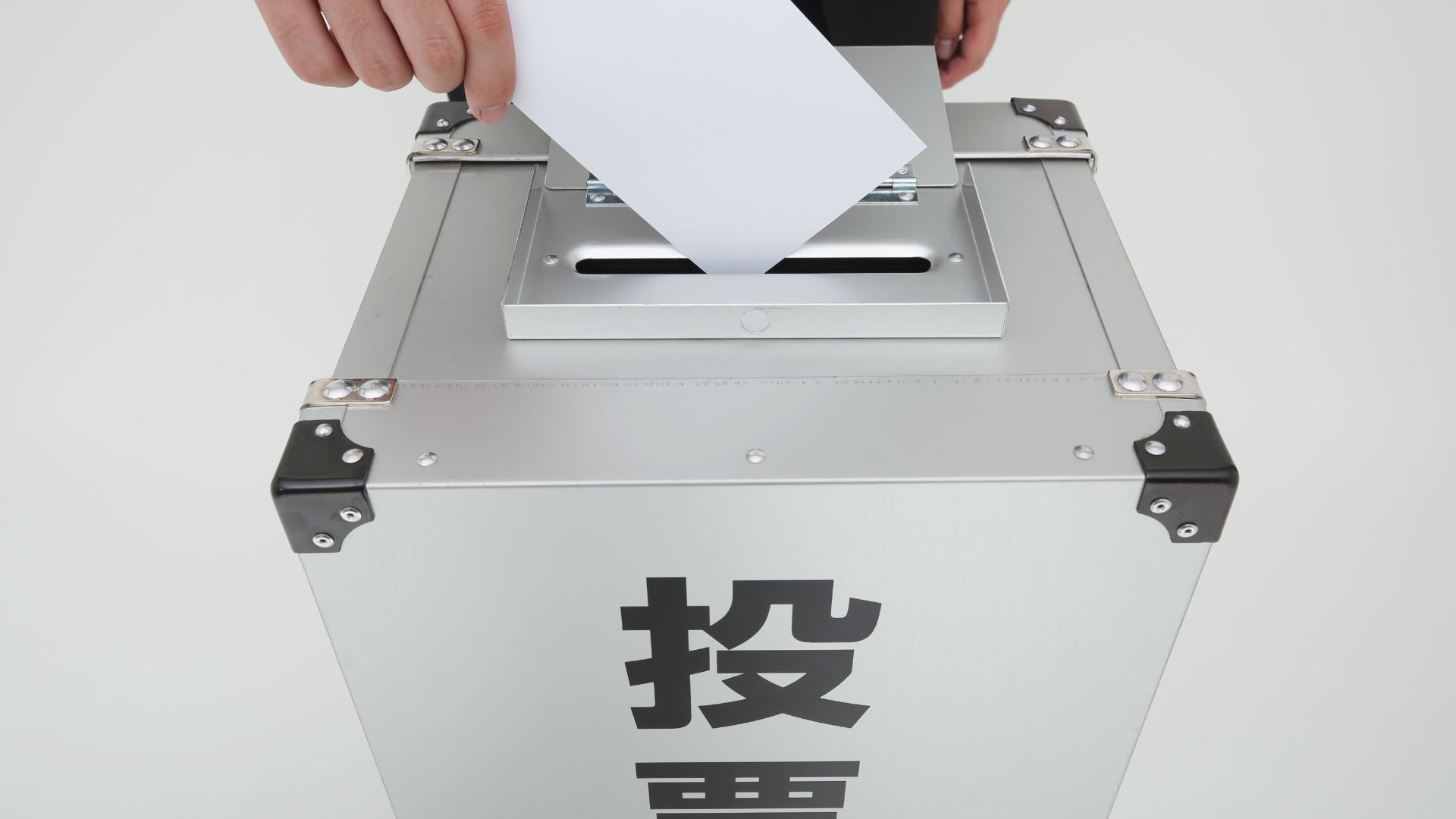
Despite the evident crowd at polling stations, Japan's recent elections posted a surprisingly low voter turnout. The contrast between the visible hustle at polling stations and poor participation rates raises questions about the engagement and interest of the Japanese public in the democratic process. Experts attribute this paradox to a variety of reasons including voter disillusionment, lack of relatable candidates and perhaps a grueling work culture.
In Japan, voting is considered both a right and a duty, and low voter turnout is often viewed as a sign of disinterest or dissatisfaction with the political process. This situation can raise concerns about the health of democracy and the public's faith in their political leadership. Therefore, disputes related to the voter turnout are often closely examined and discussed in the Japanese society.
In contrast to Japan, countries in the US and EU have a more diverse voter politics. While low voter turnout is a concern across the globe, western countries often try to address it with active campaigns encouraging voters, making voting easier through early voting or mail-in ballots, and in some cases, making it mandatory (like in Belgium).