
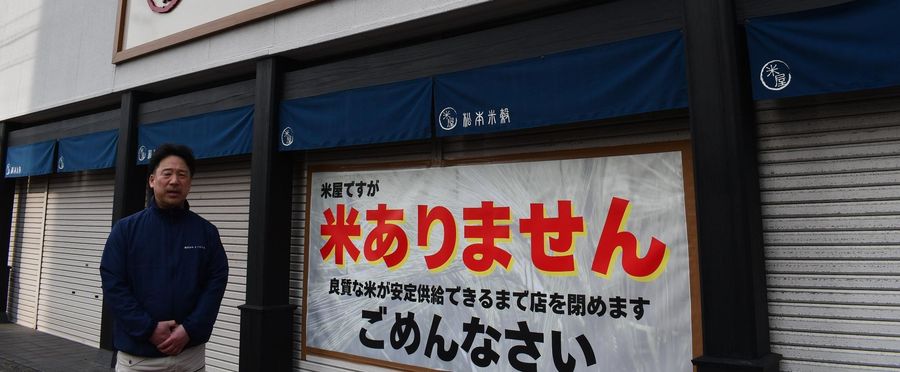
Amid tightening budgets, Japanese consumers are increasingly gravitating towards lower-priced rice, putting the financial health of grain retailers at significant risk. Many family-run rice shops across Japan are expressing concerns over their economic sustainability in the face of this trend. This change in purchasing behavior has stirred nationwide discussions about food security, agriculture policies, and the future of traditional industries.
Rice, as a staple food, holds a significant cultural and economic position in Japan. Changes in consumption trends can therefore have resounding effects on not just the rice industry and agriculture, but also on broader spheres of trade and policy-making. Japanese people greatly value locally grown produce, making this shift towards cheaper rice, possibly imported, a major concern.
In the US or EU, fluctuations in food prices often engender similar worries among small businesses and farmers. However, these regions have diverse food staples and larger international trade networks, thus resulting in broader, more complex impacts. There might also be more diverse financial aid programs for businesses affected by such market shifts.