
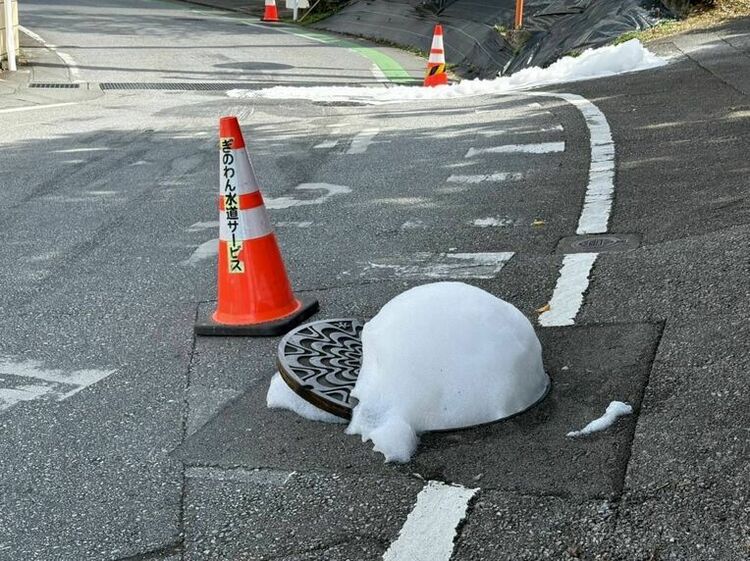
A recent discovery of white foam emerging from a manhole in Japan tested positive for Per- and polyfluoroalkyl substances (PFAS), a group of man-made chemicals that have adverse health effects. Concerns are rising over the potential health and environmental risks. It remains unclear how the PFAS came to be in the sewage system, prompting broader investigation to the possible sources of these chemicals and how to mitigate their effects.
In Japan, public health and safety are top priorities. Thus, news about PFAS detections often triggers swift responses from the society and regulatory authorities. Meanwhile, there is also an underlining concern about the aging sewage system and how this could contribute to environmental pollution. People are calling for more rigorous testing and stricter regulations to ensure water safety and quality.
In the U.S. and EU, PFAS contamination is also a major concern, given their resilience and ability to accumulate, thus they are often referred to as "forever chemicals". Both regions have implemented robust regulations to manage and limit the use of PFAS. However, the existence of PFAS in unexpected locations such as a manhole would equally raise concerns and calls for broader investigation.