
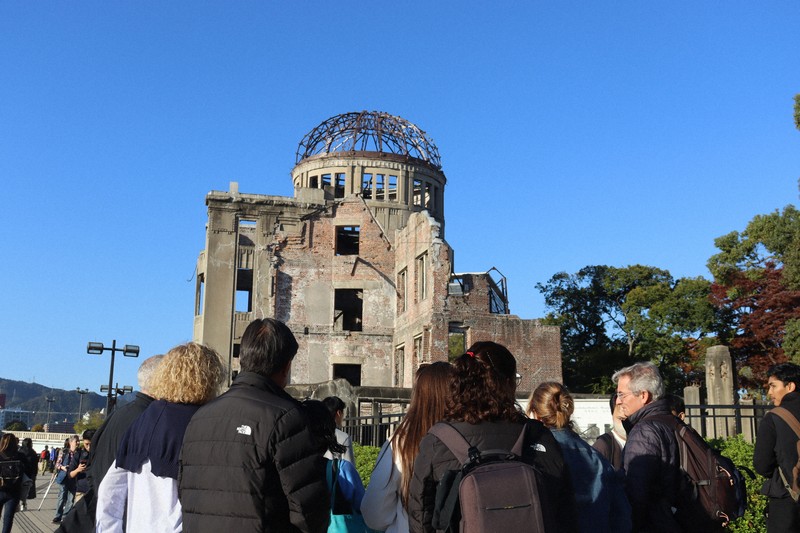
Hiroshima survivors express apprehensions over the possibility of a revision in Japan's "Three Non-Nuclear Principles". This policy, established in the 1960s, ensures Japan will not manufacture, possess, or allow nuclear weapons on its territory. The concerns arise amidst a shifting geopolitical landscape and escalating regional tensions. Advocates for the survivors stress the importance of preserving these principles to uphold the nation's pledge for peace and its role as the only country to have experienced atomic bombings.
In Japan, the Three Non-Nuclear Principles form the bedrock of the country's post-war pacifist stance. Public sentiment generally supports these principles, and any discussion of revision therefore sparks intense debate between the conservative and liberal sections of society. Hiroshima survivors, widely regarded as the conscience of Japan, are influential voices that steer this debate towards maintenance of these principles.
This issue contrasts the U.S. and E.U., who hold nuclear arsenals and are involved in international nuclear treaties for disarmament. While these regions are geared towards reducing their nuclear weapons, they have a fundamentally different history and level of nuclear engagement compared to Japan.