
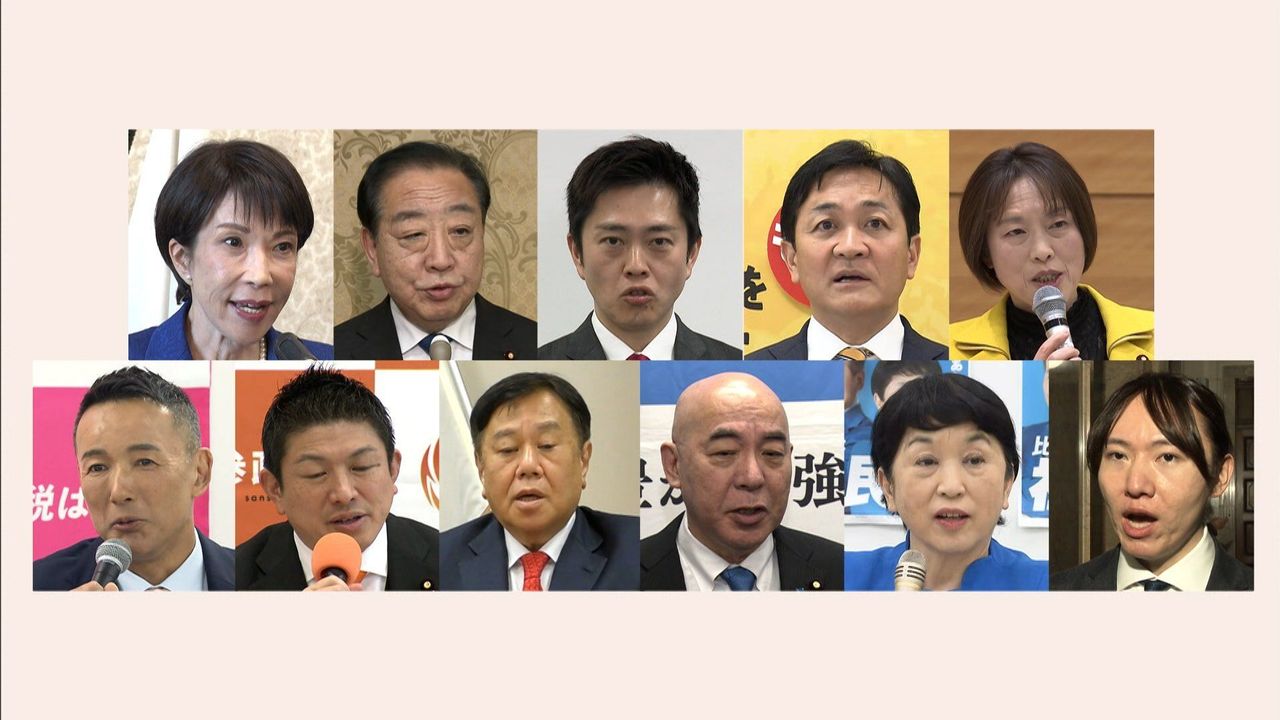
In Japan, there's an evident divide among political parties over the idea of "selective spousal surnames," a concept that would allow married couples to maintain separate surnames. Opinions vary widely, with some pointing to it as a move toward gender equality and modern societal norms, while others argue it could destabilize traditional family structures. The issue, which has been recently rekindled, is expected to incite intense debate among lawmakers and citizens alike.
In Japan, the matter of "selective spousal surnames" is a contentious issue, tying into deeper societal norms and values such as traditional family structure and gender equality. Currently, the law requires married couples to share one surname, an issue that some individuals believe is outdated. Furthermore, the public opinion on this issue has remained divided, reflecting the constant tension between traditionalists and progressives in the country.
Contrary to Japan, in Western countries like the United States and the European Union, couples have long had the choice to retain their gender-neutral surnames post-marriage, reflecting individual autonomy for both partners. This topic doesn't often come up as a point of political controversy as it has in Japan, illuminating the cultural differences and societal norms in these regions.