
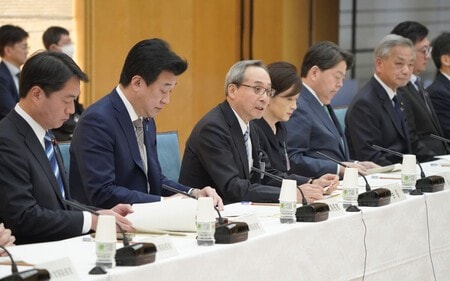
Japan's "Deputy Capital Plan" is sparking intense political debate as consensus seems hard to reach among the ruling coalition. The idea revolves around decongesting Tokyo by decentralizing administrative functions to a 'second capital'. While some view this as an opportunity to spur regional growth, others remain skeptical about its feasibility and cost-effectiveness. A particular point of contention lies among the Self-Defence Forces, who have yet to align their stance on this proposed dispersal of functions.
Japan’s capital, Tokyo, is one of the most populous cities in the world. Urban development and decentralization are national attention points. Most Japanese citizens are interested in any policy that could positively affect regional development, strengthen the economy, and create jobs. The idea of a Deputy Capital also aligns with Japan's societal value of harmony — dispersing the concentration of power and functions could promote a more balanced, harmonious society.
In comparison, other countries such as the United States and Germany have decentralized systems, spreading governmental functions across multiple cities. The US's capital, Washington D.C., for example, while being the seat of government, shares many administrative functions with other cities. The decentralized government structure in Germany led to balanced urban growth across the country.