
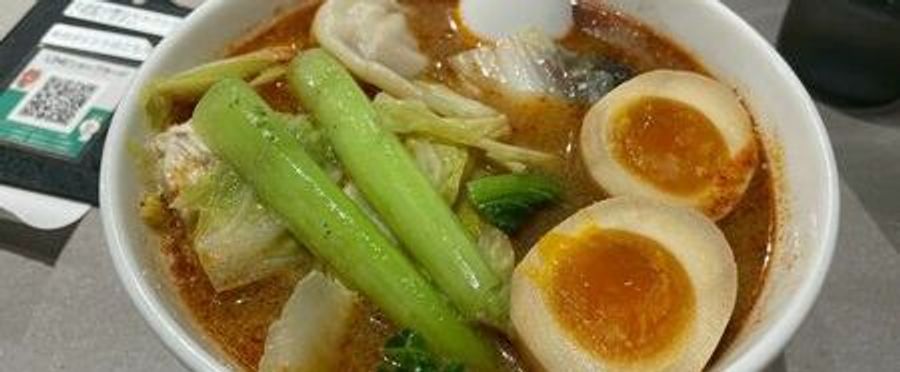
Japan's tantalizing love for spicy hot pot soups, particularly the "mala tang," is catching feverishly across the country, prompting an increase in the number of hot pot restaurants. The phenomenon has hit both small towns and large cities alike, stirring food writers to wonder why this specific dish has grown immensely popular. Factors contributing to this trend could be its unique, comforting flavor, the social aspect of eating together, or even the changing food preferences among Japanese consumers.
Food culture holds a significant place in Japanese society, with the rise and fall of food trends often sparking major discussions. This boom in spicy hot soup restaurants reflects changing palette preferences, a shift from traditionally mild flavors to hotter, more international tastes. It's not just about the food, but also the socializing aspect that hot pot brings, reiterating the Japanese concept of communal dining.
In the US and EU, food trends also play a substantial role. From food trucks to pop-up shops, the dining landscape is always evolving. Spicy foods have been popular for a while, mirroring the diverse cuisines present in these multicultural societies. However, the communal aspect of hot pot dining is less emphasized, with eating out often being a more individual or partnered experience.