
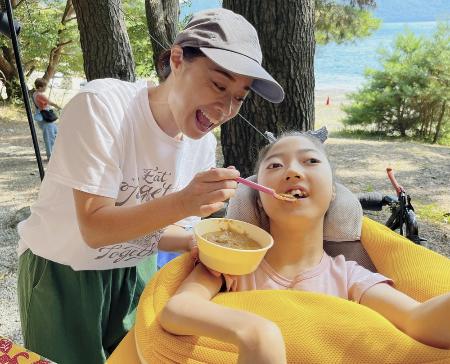
Recent reports have ignited a conversation about an unexpected policy in Japan: restaurants potentially turning away children who consume only liquid diets. The issue sparked when a family intending to dine at a local establishment was discouraged due to their child's dietary needs. This event, while not widespread, has led to discussions around dining etiquette, public spaces, and children's needs in Japan's crowded urban areas.
In Japanese society, where respect for others and public etiquette is highly valued, issues like this take on greater significance. Restaurants are often small and quiet, and a child on a liquid diet may require additional accommodations and potentially disturb other diners. Despite this, the public has responded with calls for inclusivity and consideration for families who may need these accommodations.
In contrast, in the U.S or the E.U, child-friendly restaurants are widespread, and it's generally accepted that children of all needs are welcome. This divergence underlines the differences between societal norms in Japan and Western societies, where spaces are more often tailored for specific groups, and inclusivity is a pressing concern.