
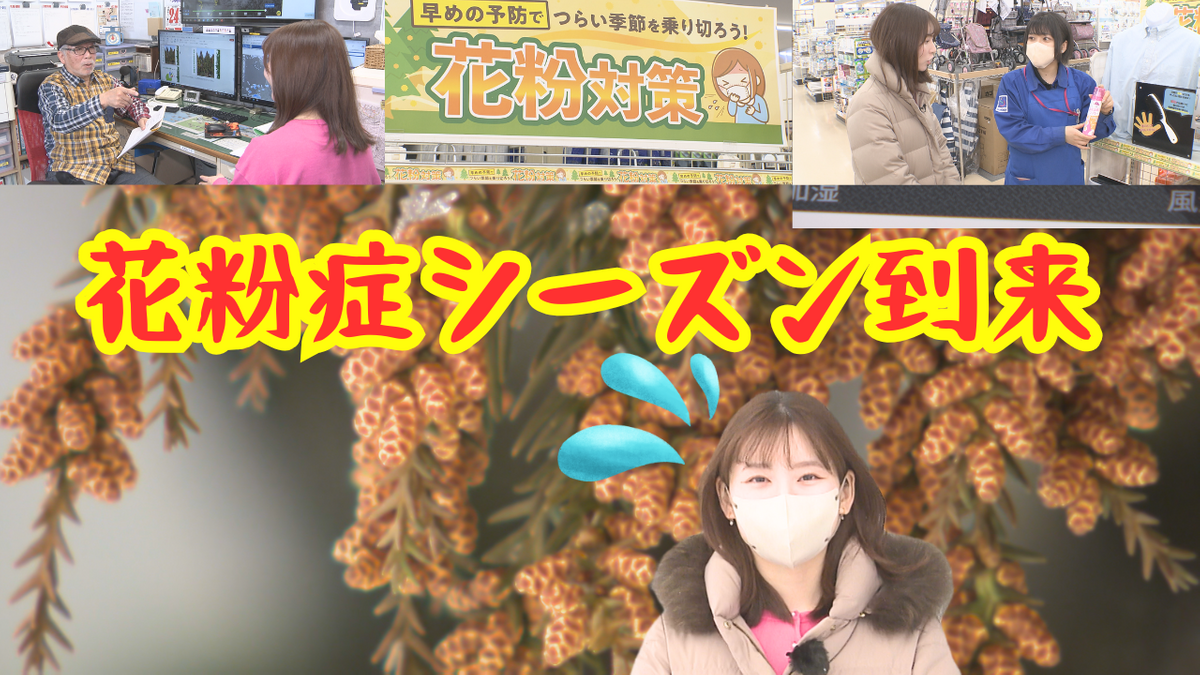
Japan braces for the annual hay fever season, armed with predictions and strategic measures to manage the health impact. With millions suffering from allergenic reactions to Japan's native cedar trees' pollen, steps are taken annually to mitigate the effects. This year promises an intensified season due to higher pollen concentration resulting from last summer's weather patterns, hence awareness campaigns on self care and managing reactions are in full swing.
In Japan, the hay fever season is a significant societal issue, owing to a large proportion of the population being allergic to pollen released by cedar trees. Efforts to manage this range from medical advancements in allergy medications to regular updates about the pollen concentration in different locales. Many Japanese citizens pay close attention to these predictions so they can take appropriate preventive measures.
Unlike Japan, hay fever season in the US and EU isn't as much of a national concern, partially due to a lower percentage of the population affected by allergenic pollen and the natural diversity reduces the impact of any single species. However, individuals suffering from severe allergies do keep a personal track of the pollen levels.