
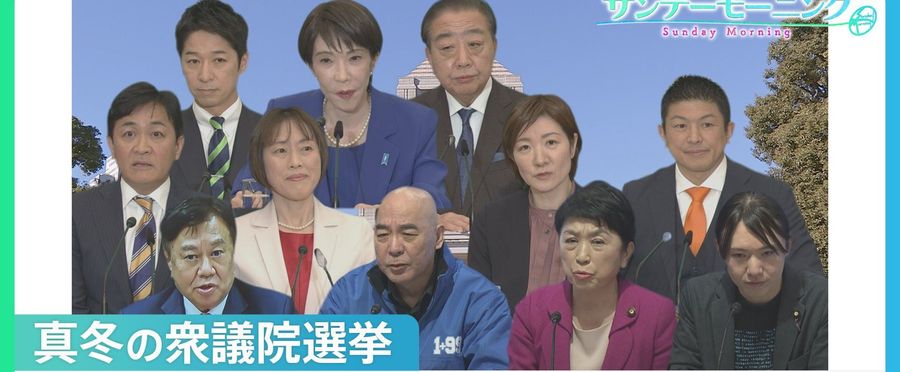
Japan's recent move to remove consumption tax on food items has caused an unforeseen predicament amongst restaurant owners. The government's endeavor to ease economic pressure on households amid the pandemic has led to a divide between the retail and restaurant industries, as prepared foods in restaurants remain taxable. This differentiation between grocery-bought and restaurant-served food items prompts questions of fairness and practicality in the policy's application.
In Japan, tax policies are often a matter of intense public scrutiny. This issue is no exception, as it touches on the daily lives of citizens and the functioning of businesses. The debate also digs into deeper societal values, such as fairness and support for small businesses – a vital part of the Japanese economy.
Unlike Japan, countries like the US do not differentiate between grocery-bought food and restaurant-served food when it comes to sales tax. However, some EU countries have different VAT rates for restaurant and super-market food. This issue echoes broader global disparities in taxation strategies.