
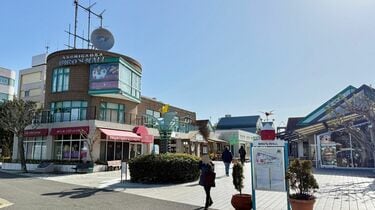
The failed establishment, known as Chiba's "ruined mall," has become a cause for economic concern in Japan. Various factors stonewalling regeneration attempts have brought this site into focus. This story examines the reasons for the failure, the economic and social impacts on the local community, and the potential steps being considered to give life to such derelict properties.
Japan is dealing with an increasing variety of urban decaying properties due to its declining population and toughening economic conditions. People see these cases as a symbol of economic stagnation, hence, any developments or lack thereof draw much attention. Authorities are now under pressure to find ways to repurpose these sites and provide economic stimulus.
In the US and EU, such cases are usually seen as an opportunity for urban redevelopment. Old malls and buildings can transform into apartments, office spaces, or community centers, being part of a societal shift recognizing the potential of repurposing. However, challenges do arise in terms of administrative, economic, and environmental aspects.