
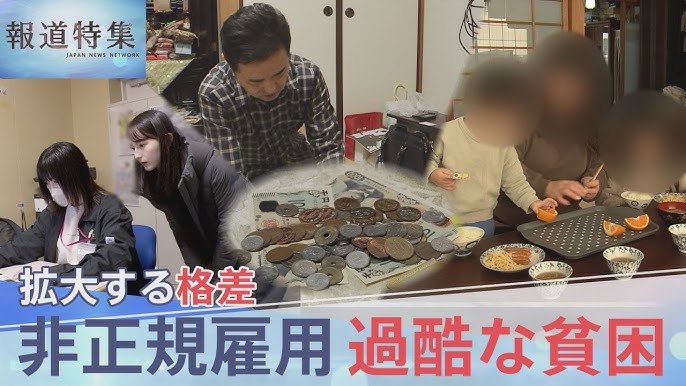
Despite putting in hours comparable to their full-time counterparts, Japan's non-regular workers often find themselves entrapped in a cycle of poverty. The issue has been gaining attention as more people fall into the category of non-regular workers, struggling to make ends meet even with steady employment. This socioeconomic problem underscores ongoing disparities in the Japanese labor market and its effect on income equality.
Japan's labor market, heavily bifurcated between regular full-time employees and non-regular workers, is subject to intensified scrutiny. Regular employees typically enjoy significant job security with strong legal protections against unfair dismissal, whereas non-regular workers, despite sometimes performing similar duties, lack these privileges and generally receive lower wages. The rising prevalence of this precarious employment has led to heightened social and financial instability, contributing to increased poverty rates.
In contrast, the US and the EU have often used safety nets such as unemployment benefits and robust minimum wage regulations to protect their workers from falling into poverty. However, issues of income inequality and temporary employment are also prevalent in these regions, though they might manifest differently. For instance, people in the U.S are generally within a "gig economy", whereas in the EU, people face striving but failing labor unions and austerity.