
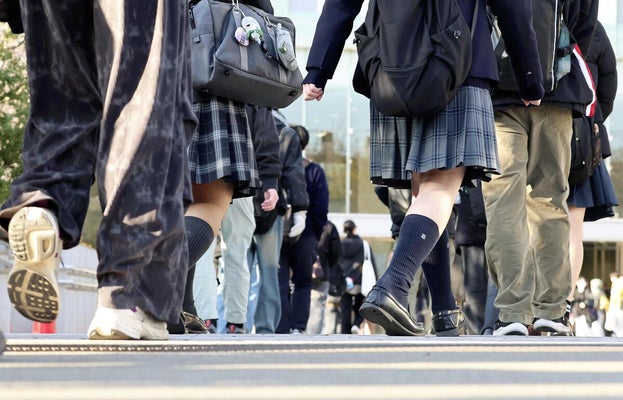
As Japan enters its intense examination season, simultaneous regional elections are ramping up tensions in schools across the nation. This dual clash of events has created a unique yet nerve-wracking environment for students and staff alike. Critics argue that the overlap is putting unnecessary pressure on students and interfering with the education process, while others see it as an opportunity for students to engage in the democratic process.
In Japan, the examination season is traditionally a crucial period for students, with substantial pressure to succeed. Similarly, elections are seen as an essential part of civic duty. The intersection of these two significant events is causing widespread debate about the impact on the educational environment and students' wellbeing. The issue is stirring conversations about the heavy academic pressure Japanese students face, and whether it’s socially acceptable to mix politics with education.
In contrast, in the US and EU, it is less common for elections to coincide with critical examination periods. Student's education usually remains uninterrupted by political events. This raises questions about the significance of these differences in educational and political systems and the potential stress placed on Japanese students.