
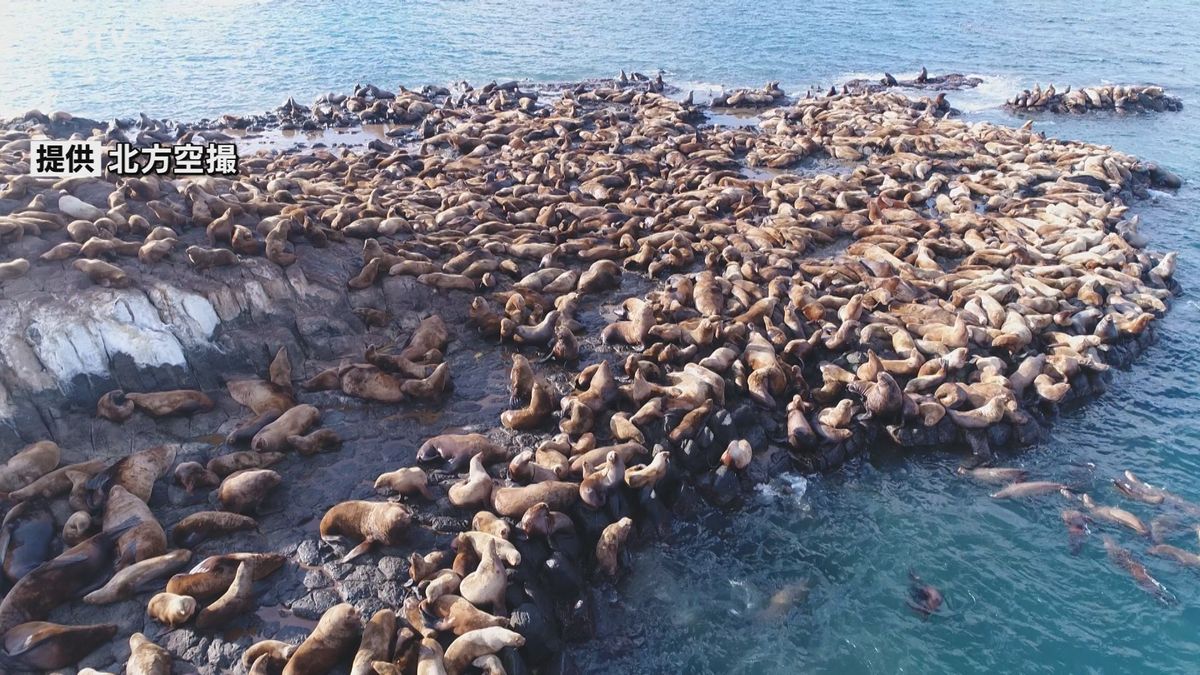
An uninhabited island off the coast of Japan has been overrun by an unexpected king tide of over 3000 sea lions. The bewildering spectacle, a phenomenon rarely seen, has caught the attention of wildlife conservationists and marine biologists. Concerns are growing about potential impacts on the local ecosystem, particularly food resources for these animals. Further studies are expected to reveal the reason behind this sudden congregation and its potential ramifications.
In Japan, the balance of nature is highly valued and unusual animal behavior tends to elicit a strong response from the public. The unexpected influx of sea lions sparks curiosity but also concerns about the sustainability of the local environment and overall ecosystem health. The government and various environmental agencies are expected to monitor the situation closely as part of their broader wildlife conservation efforts.
In the US and EU, similar situations would most likely see the intervention of wildlife conservation bodies. Issues related to overpopulation of a particular species tend to be met with measures to restore balance, such as relocation programs or health assessments to understand the drivers behind such events. Public concern for wildlife and habitat conservation are similar across these regions.